
Best Monsoon Treks Near Mumbai: Complete 2026 Guide to Sahyadri Trails
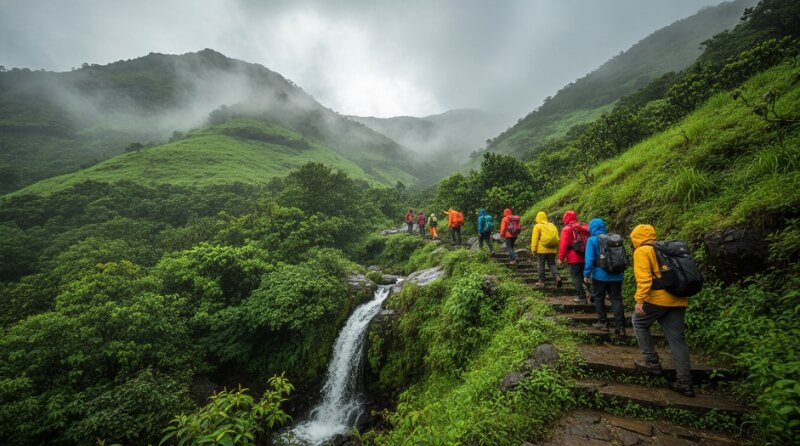
The first monsoon shower transforms Mumbai from sweltering metropolis to adventure playground. Within 90 minutes of the city limits, the Western Ghats erupt in fifty shades of green, waterfalls thunder down ancient basalt cliffs, and trekking trails that lay dormant for eight months suddenly become irresistible. Whether you’re a first-timer seeking an easy Sunday hike or a seasoned trekker chasing that adrenaline high, this guide reveals the best monsoon treks near Mumbai—complete with difficulty ratings, safety protocols, and insider tips you won’t find in generic listicles.
🥾 Best for Beginners: Karnala Fort Trek (2-3 hours, easy grade)
⛰️ Best for Adventure: Rajmachi Fort via Lonavala (6-7 hours, moderate-difficult)
💧 Best Waterfall Trek: Bhivpuri Waterfalls (3-4 hours, easy-moderate)
🏰 Best Historic Trek: Visapur Fort (4-5 hours, moderate)
🌄 Best Sunrise Trek: Kalavantin Durg (5-6 hours, difficult)
Monsoon Trekking Season: June to September (peak: July-August)
Essential Gear: Non-slip trekking shoes, rain gear, first-aid kit, adequate water
Why Monsoon is the Best Time for Trekking Near Mumbai
The Sahyadri mountain range undergoes a complete metamorphosis during monsoon. Barren brown hills transform into emerald carpets, dormant streams become roaring waterfalls, and the air—free from Mumbai’s typical haze—offers crystal-clear visibility stretching 30-40 kilometers.
What Makes Monsoon Trekking Special:
- Temperature: 22-28°C compared to summer’s brutal 35-40°C
- Waterfall Season: Over 200 seasonal waterfalls appear between June-September
- Flora Explosion: Wildflowers, ferns, and medicinal plants bloom exclusively during these months
- Crowd Levels: Weekday treks remain relatively uncrowded despite popularity
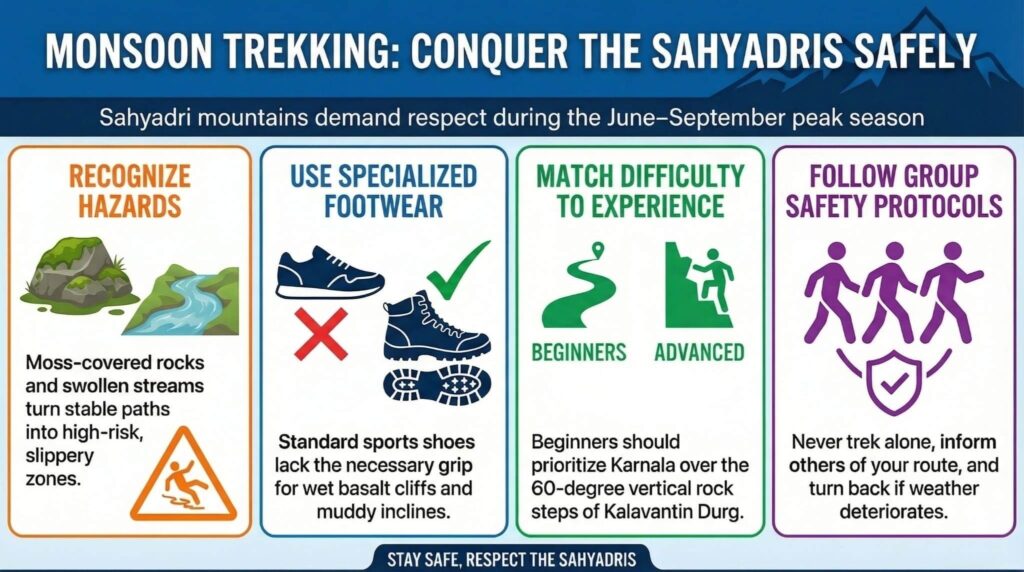
The Challenge Factor: Monsoon trekking demands respect. Slippery rocks, sudden weather changes, and swollen streams require proper preparation, but the payoff—landscapes that look photoshopped but are entirely real—makes every careful step worthwhile.
Top 10 Monsoon Treks Near Mumbai Ranked by Difficulty
Easy Grade (Beginner-Friendly)
1. Karnala Fort Trek
Distance from Mumbai: 65 km (Panvel region)
Trek Duration: 2-3 hours round trip
Difficulty: Easy
Best For: Families, first-timers, bird watchers
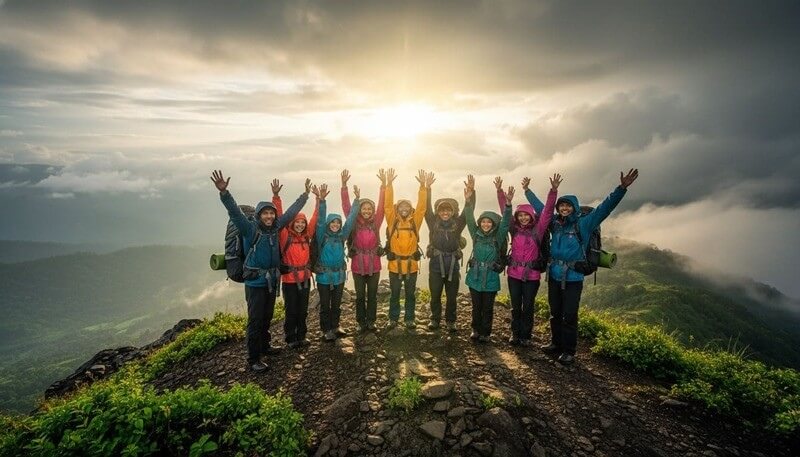
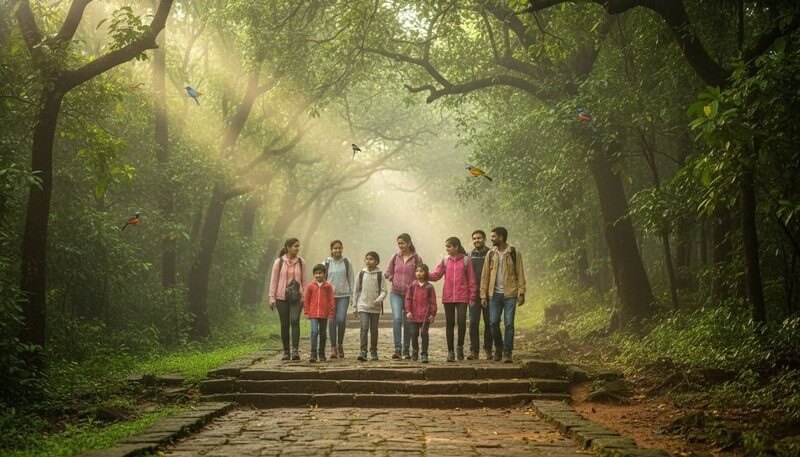
Located within Karnala Bird Sanctuary, this trek offers 220+ bird species, a 13th-century fort, and panoramic views of the Sahyadri ranges. The well-marked trail passes through dense forest with minimal steep sections.
Pro Tip: Start by 6:30 AM to avoid afternoon rain showers and catch the morning bird activity.
2. Tungarli Lake and Dam Trek
Distance from Mumbai: 85 km (Lonavala)
Trek Duration: 1.5-2 hours
Difficulty: Easy
This short trek offers stunning lake views surrounded by monsoon greenery. The relatively flat terrain makes it perfect for beginners wanting a gentle introduction to monsoon trekking.
Moderate Grade (Weekend Warriors)
3. Rajmachi Fort Trek
Distance from Mumbai: 95 km
Trek Duration: 6-7 hours (base to summit)
Difficulty: Moderate-Difficult
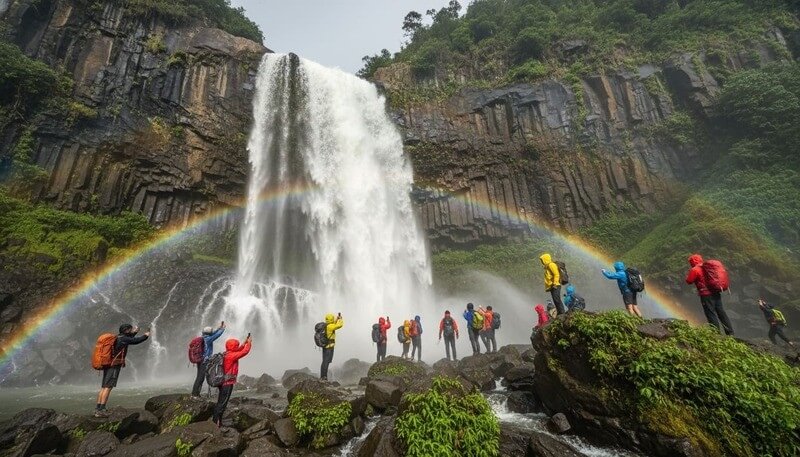
The iconic Rajmachi features twin forts (Shrivardhan and Manaranjan) with spectacular valley views. During monsoon, the trail passes through multiple waterfalls and cloud-covered plateaus.
Camping Option: Many trekkers combine this with overnight camping at Udhewadi village base.
4. Visapur Fort Trek
Distance from Mumbai: 100 km (near Lonavala)
Trek Duration: 4-5 hours
Difficulty: Moderate
One of the largest forts in the region, Visapur offers vast plateau areas that fill with water during monsoon, creating natural infinity pools. The approach includes rock-cut steps and scenic cliff edges.
Safety Note: The plateau can get extremely slippery; proper trekking shoes are non-negotiable.
Difficult Grade (Experienced Trekkers)
5. Kalavantin Durg Trek
Distance from Mumbai: 70 km (Panvel-Matheran route)
Trek Duration: 5-6 hours
Difficulty: Difficult (includes near-vertical rock-cut steps)
Often called India’s most dangerous trek, Kalavantin features a 60-degree incline finale with carved steps offering minimal grip during rain. The summit views of Prabalgad Fort and Matheran ranges are unparalleled.
Warning: Not recommended during heavy rain or for those with fear of heights.
Essential Monsoon Trekking Safety Tips
Monsoon trekking’s beauty comes with inherent risks. Follow these non-negotiable safety protocols:
Before the Trek:
- Check weather forecasts; avoid trekking during heavy rain warnings
- Inform someone about your trekking route and expected return time
- Join organized groups if you’re a beginner
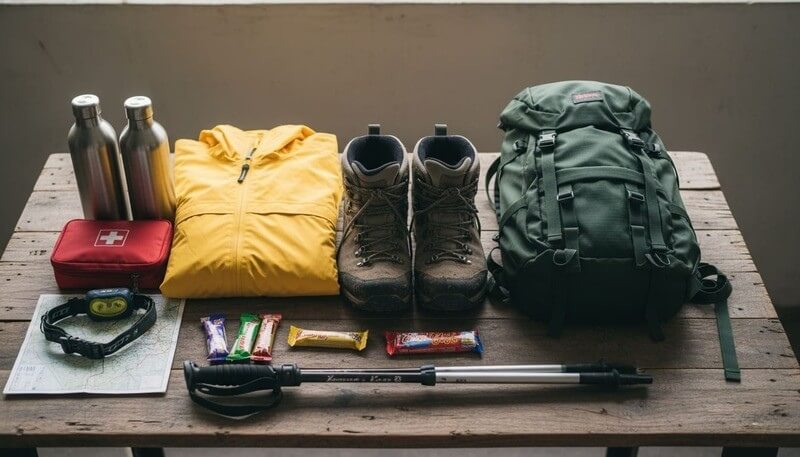
Gear Essentials:
- Footwear: Shoes with deep treads (not regular sports shoes)
- Rain Protection: Waterproof jacket and backpack cover
- Navigation: Offline maps downloaded (network coverage is patchy)
- First Aid: Basic kit including bandages, antiseptic, ORS packets
- Hydration: 2+ liters water per person
During the Trek:
- Test rocks before putting full weight (moss = slippery)
- Never trek alone during monsoon
- Turn back if weather deteriorates suddenly
- Avoid shortcuts; stick to marked trails
Best Waterfall Treks for Monsoon Photography
Bhivpuri Waterfalls: The most accessible waterfall trek with opportunities for rappelling and rock climbing. The base village offers authentic Maharashtrian snacks.
Zenith Waterfall (Khopoli): Requires wading through knee-deep water, making it adventurous. The 300-foot cascade creates a natural amphitheater of sound.
Dodhani Waterfall: Lesser-known gem near Panvel with multiple tiers. The surrounding rocks form natural slides—thrilling but requires extreme caution.
Organized Trek Groups vs. Solo Trekking
Join Organized Groups If:
- You’re a first-time monsoon trekker
- Unfamiliar with Sahyadri terrain
- Prefer professional guides and safety backup
- Want to meet fellow trekking enthusiasts
Popular Mumbai Trekking Groups: Mumbai Travelers, Trek Mates India, Wanderers Mumbai (most organize weekend monsoon batches with ₹500-1,500 per person including transport)
Solo/Small Group Trekking:
- More flexibility in timing and pace
- Requires excellent map reading skills
- Always inform forest officials at base villages
- Carry fully charged power banks and emergency contacts
Your Monsoon Adventure Awaits
The Western Ghats during monsoon don’t just offer treks—they offer transformation. Every slippery rock climbed, every waterfall crossed, and every cloud-covered summit reached builds something beyond fitness. It builds perspective.
Mumbai’s proximity to the Sahyadris means your weekend adventure is never more than 90 minutes away. Whether you choose the gentle trails of Karnala or the adrenaline rush of Kalavantin Durg, you’re accessing landscapes that remain unchanged for centuries.
Pack smart. Trek safe. And remember—the mountain will always be there tomorrow; ego-driven risks aren’t worth it.
FAQs
Q. What is the best time for monsoon trekking near Mumbai?
The best time for monsoon trekking near Mumbai is July through September, with peak conditions in late July and August when waterfalls are at maximum flow. June sees early monsoon arrival but trails can be overly muddy. September offers clearer skies with lingering greenery. Avoid trekking during heavy rain warnings or cyclonic conditions. Weekend treks fill up quickly, so book organized groups 7-10 days in advance.
Q. Which monsoon trek near Mumbai is best for beginners?
Karnala Fort Trek near Panvel is the best beginner monsoon trek, offering a well-marked 2-3 hour trail through bird sanctuary forest with minimal steep sections. Other beginner-friendly options include Tungarli Lake (Lonavala) and Bhivpuri base trail. These treks feature established paths, good mobile network coverage, and nearby facilities. First-timers should join organized trekking groups from Mumbai that provide guides and safety equipment.
Q. Is monsoon trekking dangerous in the Western Ghats?
Monsoon trekking carries inherent risks including slippery trails, sudden weather changes, leeches, and reduced visibility. However, with proper preparation—non-slip footwear, rain gear, weather monitoring, and staying on marked trails—risks are manageable. Avoid trekking during heavy rainfall, never trek alone, and turn back if conditions deteriorate. Beginners should join experienced groups. Difficult treks like Kalavantin Durg require prior trekking experience and should be avoided during peak monsoon.
Q. What should I wear for monsoon trekking near Mumbai?
Wear quick-dry synthetic trekking pants (avoid jeans—they stay wet), moisture-wicking t-shirt, waterproof jacket with hood, and most importantly, trekking shoes with deep treads (not regular sports shoes). Carry extra dry clothes in waterproof bags. Avoid cotton socks—use synthetic or wool blend. A cap helps under rain jacket hoods. Apply anti-leech cream on shoes and socks. Gaiters provide additional protection from leeches and water.
Q. Can I do monsoon treks near Mumbai without a guide?
Experienced trekkers can do easy-moderate grade treks like Karnala, Tungarli, and Lohagad without guides if they have offline maps, proper gear, and inform someone about their plans. However, first-timers, difficult treks (Kalavantin Durg, Rajmachi), and remote trails strongly benefit from guides who know terrain, weather patterns, and emergency protocols. Organized Mumbai trekking groups charge ₹500-1,500 including transport and guides—excellent value for safety and local knowledge.
Q. Are there waterfalls on monsoon treks near Mumbai?
Yes, monsoon treks near Mumbai feature spectacular seasonal waterfalls. Top waterfall treks include Zenith Waterfall (Khopoli), Bhivpuri Waterfalls (Karjat), Dodhani Waterfall (Panvel), and multiple cascades on Rajmachi and Visapur fort routes. Most waterfalls appear only during June-September monsoon. Some trails require wading through streams. Always test water depth with trekking poles before crossing and never attempt crossing during heavy flow—wait or take alternate routes.
Q. How much does monsoon trekking near Mumbai cost?
Self-organized monsoon treks cost ₹300-800 per person (transport + entry fees). Organized group treks from Mumbai range ₹500-1,500 including transport, guides, breakfast, and basic first aid. Premium overnight camping treks (like Rajmachi) cost ₹1,800-3,000 with meals and camping equipment. Gear rental (shoes, raincoats, backpacks) adds ₹200-500. One-time investments in quality trekking shoes (₹2,000-4,000) and rain gear are worthwhile for regular trekkers.
Q. Which is harder: Rajmachi or Kalavantin Durg trek?
Kalavantin Durg is significantly harder than Rajmachi due to near-vertical rock-cut steps requiring nerve and physical strength, especially slippery during monsoon. It’s rated difficult and unsuitable for beginners or those with height fear. Rajmachi is moderate-difficult with longer duration (6-7 hours) but gentler gradients and wider trails. Rajmachi suits fit beginners with some stamina, while Kalavantin requires prior trekking experience and excellent fitness levels.
Q. Are leeches common on monsoon treks near Mumbai?
Yes, leeches are extremely common on Western Ghats monsoon treks, particularly in forested areas like Karnala, Rajmachi, and Matheran trails. They’re harmless but uncomfortable. Prevention: Apply anti-leech cream or tobacco powder on shoes/socks, wear full-length pants tucked into socks, use gaiters, and check legs every 20-30 minutes. Carry salt or lemon to remove attached leeches—never pull forcefully. Most trekkers consider leeches a minor inconvenience versus the stunning monsoon landscapes.
Q. Can I trek to Matheran during monsoon?
Matheran’s main vehicular entry closes during heavy monsoon but trekking trails remain open. The Neral-Matheran trail (one-way valley route) and Panvel-Kalavantin-Matheran route offer spectacular monsoon trekking. However, extremely heavy rainfall may make trails dangerous—check local conditions. Many trekkers do day trips, ascending via one route and descending via toy train (when operational). Monsoon transforms Matheran into a cloud-covered wonderland but requires waterproof gear and leech protection.