
No Eating Out for 30 Days: How a Mumbai Family Saved ₹15,000 in One Month
No Eating Out for 30 Days: How a Mumbai Family Saved 15,000 in One Month
Last month, we made a decision that surprised even us. After noticing how much we were spending on Swiggy and Zomato, restaurant visits, and random chai stops around Navi Mumbai, my wife Priya said something that stuck with me: “What if we just stopped? For 30 days, no eating out at all.”
I won’t lie. My first reaction was “That’s not happening.” But then our LPG bill jumped that month, fuel prices were up, and we were both tired of swiping our cards. The funny thing about hitting your breaking point is that you start getting open to weird experiments. So we decided to do it. No Swiggy, no Zomato, no restaurant dinners, no chai outside. Nothing but home-cooked food for 30 days.
This is exactly what we spent, what we cooked, what nearly broke us, and whether it was actually worth it.
Our Monthly Food Spending Before the Challenge
Before we started, we did something we’d been avoiding for years: we actually looked at our food spending. The numbers hit hard.
| Category | Monthly Spending | Notes |
|---|---|---|
| Swiggy and Zomato orders | 8,200 | Average 4-5 orders per week at 350-450 per order |
| Restaurant dinners (in and around Navi Mumbai) | 6,500 | Usually 2 restaurant visits a month, 3,000-3,500 each |
| Chai, coffee, and street food | 3,800 | Daily chai (30-40), occasional pakora/samosa, weekend chai with friends |
| Regular grocery shopping | 3,500 | Vegetables, staples, milk, bread |
| Total | 22,000 |
When we saw that number, 22,000 a month, something clicked. We weren’t broke. But we weren’t being intentional either. And honestly, most of that money was going toward food we didn’t really remember eating. That’s when we committed. 30 days. No ordering. No restaurants. No chai stops. Only home-cooked meals.
The Rules We Set
We needed clear rules. Not because we’re strict people, but because rules give you something to push against when temptation hits. Here’s what we decided:
- No Swiggy or Zomato. Not a single order, no matter what. If we wanted it, we cooked it at home.
- No restaurant visits. Birthday dinners, anniversaries, casual dinners out – all cancelled or postponed.
- No street food. This one hurt the most. No chai at the nearby tea stall, no samosas, no pani puri.
- Chai at home only. I made chai every morning. My wife made chai in the evenings.
- Guests get home-cooked food. Family came over twice during the month. We cooked full meals. No takeout backup plan.
- Groceries were unlimited. We could buy whatever we needed to cook, but no “convenience” food or ready-to-eat items.
Week by Week: Our 30-Day Diary
Week 1: The Excitement Phase
The first week felt like we were doing something important. There’s actually an energy when you make a decision and commit to it immediately. We went to the market with a meal plan. I know that sounds boring, but it wasn’t. We were intentional about what we bought.
We cooked dal-rice on Day 1, paneer sabzi on Day 2, simple chicken curry on Day 3. My kids actually noticed we were making more meals at home and wanted to help. Our daughter made the roti one evening and it was lopsided and perfect.
For chai, we upgraded. We started using better loose-leaf tea instead of bags. The morning ritual became something we actually looked forward to. We saved money but paradoxically spent more time on food, just in a different way.
Week 1 spending: 1,400 (groceries only)
Week 2: The Cravings Hit
By Day 10, I’d be lying if I said we weren’t craving biryani. The biryani place near my office has this chicken biryani I’ve been ordering for 3 years. On Day 9, I drove past it and sat in the car for 5 minutes thinking about whether I could sneak an order without my wife knowing. I didn’t. But I thought about it hard.
My wife missed pizza. Not just any pizza, but the stuffed crust ones from Dominos. She actually looked at the Zomato app at 2 AM one night just to see the menu.
The breakthrough was making our own. I’ll be honest, my homemade pizza looked like a sad, deflated rectangle. But it tasted good. My son asked for seconds. That’s when we realized something important: the appeal of eating out isn’t always about the food. It’s about not having to make it.
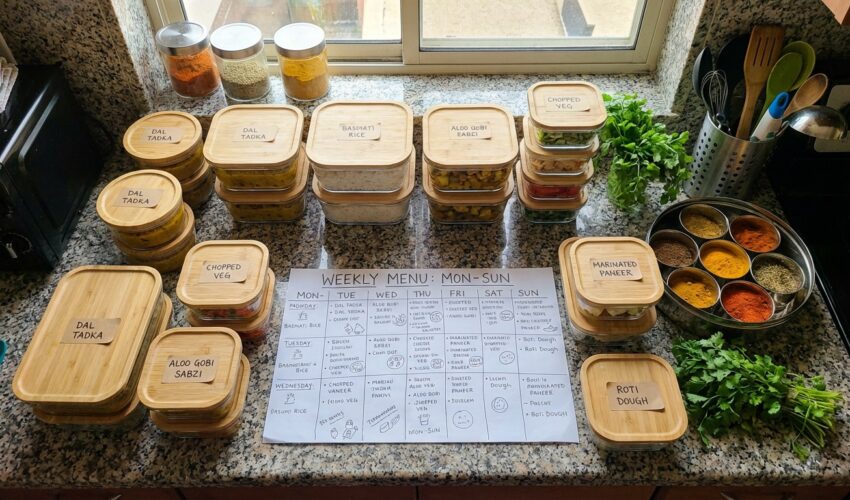
So we started batch cooking and meal prepping. Sunday became our cooking day. We made enough chicken curry, pav bhaji, and dal for 3 days.
Week 2 spending: 1,600 (groceries)
Week 3: Getting Creative
By Week 3, something shifted. We stopped thinking of this as deprivation and started thinking of it as a game. How creative could we get? How good could we make a simple meal?
We discovered that simple meals taste better when you cook them with care. My wife made a tomato-based pasta that was so good I asked her to make it twice. She used garlic, basil (grown on our balcony), and good olive oil. Total cost: about 120. The last time I ordered pasta from Zomato, it was 380 and it was worse.
We involved the kids more. Our daughter learned to make scrambled eggs. Our son made a (questionable) mixed-vegetable stir-fry. These meals weren’t always Instagram-ready, but they had something I hadn’t noticed in years: care. Someone in this house made it thinking about the person eating it.
The street food craving also eased. We started making samosas at home using frozen sheets and potato filling. Not the same as the tea stall samosa, but close enough. And honestly, sometimes “close enough” is all you need.
Week 3 spending: 1,800 (groceries, including ingredients for samosas and pasta)
Week 4: The New Normal
By the last week, home cooking wasn’t something we were doing. It was just what we did. No drama. No urges. Just routine. We woke up, made chai, packed meals for work, cooked dinner. Nothing special. Everything normal.
The cravings didn’t disappear, but they weren’t painful anymore. On Day 28, we passed our favorite biryani place and both felt relieved we weren’t going in. Not because we’d lost the taste for it, but because we’d realized we didn’t actually need to pay 350 for something my wife could make at home for 80.
We also discovered something unexpected: we were eating better. More vegetables, less oil, smaller portions because we were actually aware of what we were eating. The bloated feeling we’d get after ordering food? Gone.
Week 4 spending: 1,400 (groceries)
The Final Numbers: Did We Actually Save?
Let’s be specific. Here’s what we spent this month versus what we normally spend:
| Category | Before Challenge | During Challenge | Savings |
|---|---|---|---|
| Swiggy and Zomato | 8,200 | 0 | 8,200 |
| Restaurant dinners | 6,500 | 0 | 6,500 |
| Chai, coffee, street food | 3,800 | 200 | 3,600 |
| Grocery shopping | 3,500 | 7,000 | -3,500 |
| Total | 22,000 | 7,200 | 14,800 |
Our Savings: 14,800
In one month, we saved roughly 15,000 by not eating out.
Let me be clear about the grocery number. We spent more on groceries this month (7,000 vs 3,500) because we were buying in bulk and stocking up on basics. But that’s inventory. Next month, buying only fresh vegetables and milk, our grocery spend will go back to 3,200-3,500.
So the real, repeatable savings? At least 14,000 every month. Minimum. We weren’t cutting corners or starving. We ate well. We ate at home. And we saved 14,800.
10 Recipes That Saved Us
These are the meals we came back to again and again. Not fancy. Not trying to win Masterchef. Just meals that were cheap, filling, and good enough that we didn’t miss takeout.
- Dal-Rice with Cucumber Raita – Our go-to lunch. Dal takes 30 minutes, rice in a cooker. Add a simple raita with cucumber and yogurt. Cost: 80 per person.
- Paneer Curry with Roti – Paneer, tomatoes, onions, ginger-garlic. Make roti on the tawa. The whole meal takes 45 minutes. Cost: 120 per person.
- Simple Chicken Curry with Rice – Chicken, ginger-garlic-onion-tomato base, cook for 30 minutes, serve with rice. Cost: 100 per person.
- Pav Bhaji (Batch Cooked) – Make a huge batch on Sunday, eat for 3 days. Potatoes, peas, carrots, spices. Cost: 60 per person.
- Egg Fried Rice with Vegetables – Leftover rice, scrambled eggs, diced vegetables, soy sauce. 15 minute meal. Cost: 70 per person.
- Chole-Bhature – Chickpeas soaked overnight, fried flour dough. Tastes like a restaurant meal but you made it yourself. Cost: 90 per person.
- Vegetable Soup with Bread – Carrots, beans, potatoes, celery, simple broth. Serve with bread. Cost: 50 per person.
- Semiya Upma – Roasted semiya, vegetables, dhania. Ready in 20 minutes. Breakfast or dinner. Cost: 40 per person.
- Aloo Parathas with Yogurt – Stuffed flatbreads with spiced potatoes. Serve with yogurt and pickle. Cost: 70 per person.
- Simple Tomato Pasta – Pasta, tomato sauce with garlic and basil, fresh basil from the balcony garden. Cost: 120 per person.
What We Actually Learned
After 30 days, we learned things that surprised us. Some were obvious in hindsight. Some we’re still thinking about.
1. We Were Eating Out for Convenience, Not Because We Wanted To
Most of our Swiggy orders came at 7 PM when everyone was tired and hungry. We didn’t want that particular biryani. We just didn’t want to think about what to make. Once we started meal planning and batch cooking, this problem evaporated.
2. Homemade Food Actually Tastes Better
This sounds like something a health influencer would say, but it’s true. Your tomato curry tastes better than the restaurant’s because you put the tomatoes in when they needed to go in, not 2 hours ago. Your chai is better because you made it 5 minutes ago, not 2 hours ago.
3. You Can Save 15,000 a Month Without Really Sacrificing Anything
We didn’t feel deprived. We didn’t eat less. We didn’t skip meals or eat terrible food. We just redirected money we were spending on convenience into cooking at home. The discipline was in planning, not in suffering.
4. Family Meals Became Central Again
When you’re cooking at home, everyone eats at the same time. This sounds small, but it changed our family dynamics. We actually talked during meals instead of eating separately or scrolling while waiting for food.
5. The Real Cost Is Time, Not Money
Cooking takes 45 minutes to an hour. Ordering takes 30 minutes and is more expensive. People think it’s the opposite. But 45 minutes of cooking for a family of four means 11 minutes per person. That’s less time per person than driving to a restaurant and waiting for food.
6. You Need a Meal Plan or You’ll Lose It
The weeks we planned meals on Sunday were smooth. The weeks we didn’t plan ended in emergency omelettes and scrambled decision-making. A simple list of 7 meals takes 10 minutes to plan and saves you from the 7 PM panic.
Would We Do It Again?
Here’s my honest answer: No. Not exactly like this.
We’re not going back to spending 22,000 a month on food either. But 30 consecutive days of no eating out is aggressive and unsustainable for us long term. What we’re doing instead is setting a rule: maximum 2 restaurant meals a month and maximum 2 Swiggy/Zomato orders per week.
That’ll cut our food spending from 22,000 to about 10,000. We’ll save 12,000 a month instead of 15,000. But we won’t be in a constant state of saying no. We’ll have the occasional biryani without feeling guilty. And we’ll cook at home most nights because we’ve now proven to ourselves that it’s possible and good.
The real win isn’t the 30 days of deprivation. It’s realizing that we have a choice. We can spend 22,000 or 7,000 on food. The difference between those numbers went into our savings account this month, and that feels good in a way a pizza from Dominos never will.
Frequently Asked Questions
Did you feel like you were starving or missing out?
Honestly, the first week was mentally hard. But by Week 2, we’d made peace with it. We cooked the foods we loved. The difference was we were making them instead of paying someone else to. Once we realized our homemade biryani was 70% as good as the restaurant version at 20% of the cost, the cravings disappeared.
What about birthday parties or social events?
We had friends visit twice during the month. Both times we cooked at home. One time it was a huge butter chicken and rice meal. Another time it was homemade samosas and chole-bhature. Our friends didn’t feel like we were cheap or weird. They felt like we’d made an effort for them. Honestly, they may have enjoyed it more because it felt special.
What if you don’t like cooking?
Fair point. My wife likes cooking more than I do. But even I learned to make 5-6 basic meals. You don’t need to be Gordon Ramsay. You need to be able to throw rice in a cooker, heat oil, and add vegetables and spices. If you can follow a recipe, you can do this. And honestly, even if you hate cooking, 45 minutes of cooking is still cheaper and faster than the Zomato + delivery combo.
Is this sustainable long-term?
30 days? Yes. 365 days? Probably not for most families. But 80% of the time? That’s sustainable. Most families could easily go from 22,000 to 10,000 on food spending by cutting eating out by half. That’s still 12,000 saved per month without feeling deprived.
How much did you spend on equipment or special ingredients?
We didn’t buy any special equipment. We already had pots, pans, and a tawa. Special ingredients? We used what we usually use. Chai, dal, rice, spices. Nothing fancy. Everything we bought was regular grocery store stuff.
Would the savings be different if you lived outside Navi Mumbai?
Absolutely. In Navi Mumbai, a Swiggy order averages 350-450. In some parts of Mumbai, it’s 500-600. In smaller cities, it might be 250-300. Our proportional savings would be similar (about 65-70% of your normal food budget), but the absolute numbers would be different. The principle stays the same: eating at home is significantly cheaper than eating out.
The Real Takeaway
We didn’t do this 30-day challenge to become ascetics or to prove we’re better than people who eat out. We did it because our Zomato bills were out of control and we wanted to see what was possible.
What we discovered is that the gap between what we were spending and what we needed to spend was massive. It wasn’t hiding in some complicated budget hack. It was sitting in our Swiggy app.
You can save 15,000 a month on food. You won’t feel like you’re sacrificing. Your family will actually eat better. You’ll spend more time together. And honestly, after doing this for 30 days, we’ve realized that eating out was never about the food. It was about not wanting to think about the food.
Once we started thinking about it, once we started planning and cooking, the whole calculation changed. And now, when we do eat out, we actually enjoy it more because it’s a choice, not a reflex.
If you’re in Navi Mumbai and your food budget feels like a black hole, try this. Not necessarily for 30 days straight, but as an experiment. Pick one week. No Swiggy. No restaurants. Just cook. See what happens. I bet you’ll be surprised at how much money shows up in your account by the end of the week.
Interested in other ways to save money and reduce your expenses in Navi Mumbai? Check out our comprehensive guide on cost of living in Navi Mumbai vs Mumbai to see how your expenses compare and where you can trim your budget further.