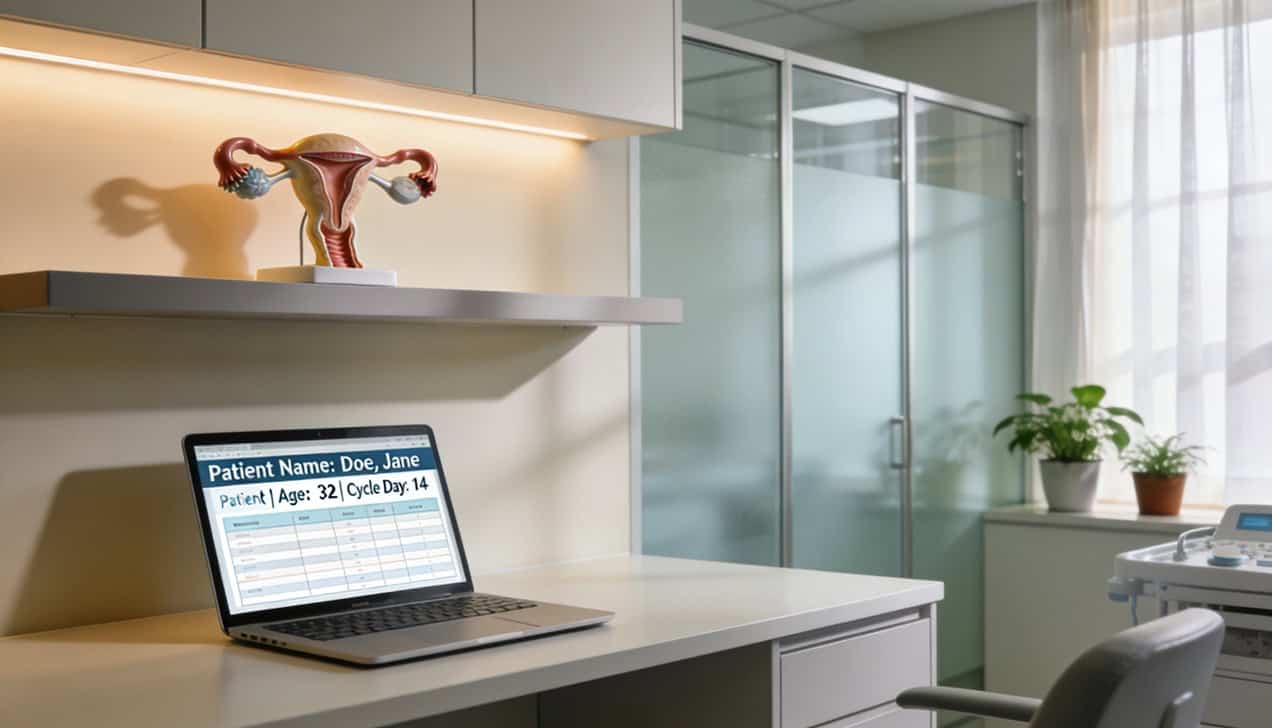
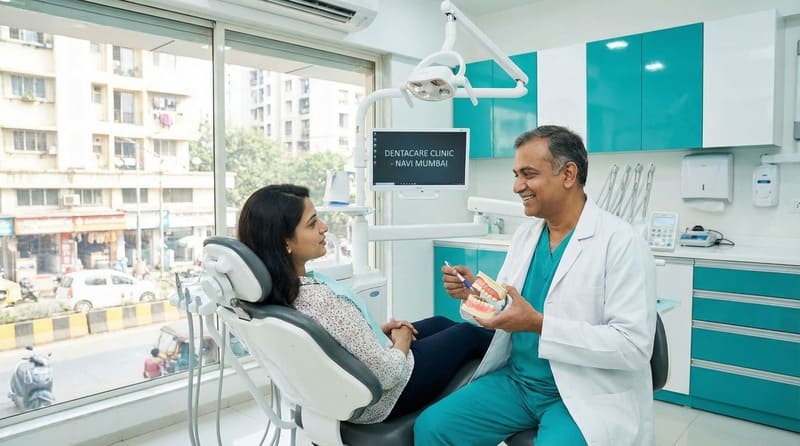
Dental implant, root canal and crown costs in Vashi and Nerul vary according to the tooth being treated, the diagnosis, the dentist, the procedure required, the materials used and whether additional treatment is necessary. Implant quotes can also vary depending on the implant system, bone availability, surgical requirements and the type of final restoration.
This guide explains what may appear in a dental quote and what patients should verify before treatment. Prices published by individual clinics should be treated as indicative until a dentist has examined the case and provided a written treatment plan.
Medical information notice: this guide provides general information about dental treatment and costs. It does not diagnose dental conditions or recommend a particular procedure, material, implant system or clinic. Treatment options should be discussed with a registered dental professional after appropriate examination.
Quick answer: what should a dental quote include?
A dental implant or root canal quote should be compared on what is included, not just the headline price. Ask for a written treatment plan showing the procedure, the dentist’s fee, imaging, the implant system or restorative material where relevant, the crown, laboratory charges, medicines, additional procedures such as bone grafting, follow-up, and any separately billed items.
For implants, also ask whether the quoted amount covers only implant placement or the complete treatment through to the final crown.
Check the dentist’s registration and qualifications
India’s dental regulatory framework changed in 2026. The National Dental Commission came into effect in March 2026, replacing the Dental Council of India, while the existing Indian Dentists Register continues to provide dentist registration lookup during the transition.
Before treatment, verify that the treating dentist is appropriately registered and ask who will actually perform each part of the procedure. If a specialist qualification is presented, such as an endodontist for root canal treatment or an implantologist or periodontist for implant surgery, verify the exact recognised qualification rather than relying only on terms used in clinic advertising. You can check current registration through the Indian Dentists Register, maintained by the National Dental Commission.
What affects dental treatment cost in Vashi and Nerul?
Dental pricing depends on far more than which locality a clinic sits in. A clinic’s rent or address doesn’t determine the standard of care it provides, and treating one part of the city as automatically cheaper or more premium than another isn’t something this guide can support. The table below covers what genuinely drives the cost of each treatment.
| Treatment | Major cost variables |
|---|---|
| Root canal | Tooth involved, anatomy, infection, primary treatment vs retreatment, imaging required, treating dentist |
| Crown | Material chosen, laboratory work, whether it restores a natural tooth or an implant, design and case requirements |
| Implant | Implant system, surgical complexity, bone and gum condition, imaging, crown or restoration type |
| Bone grafting | Size of the defect, material used, surgical requirements |
| Full-arch restoration | Number and location of implants, prosthesis design, surgical complexity, laboratory work |
Root canal cost: what changes the quote?
Root canal cost can vary by tooth because teeth differ in their number of roots and canals and in anatomical complexity. A molar generally involves more canals than a front tooth, which can affect the time and skill the procedure requires, but there’s no fixed percentage uplift that applies across every case. Retreatment of a previously root-canalled tooth can also be more complex than first-time treatment, again without a universal multiplier attached to the fee.
Diagnostic and treatment imaging may be required before, during or after root canal treatment depending on the clinical situation. Ask whether imaging is included in the quote, and how many appointments the dentist expects the treatment to take and why.
What does microscopic RCT mean?
A dental operating microscope provides magnification and illumination that can help the clinician visualise tooth anatomy during endodontic treatment. Whether it’s useful in an individual case depends on the tooth, its anatomy, any previous treatment and the clinical circumstances. No endodontic technique, microscope-assisted or otherwise, can guarantee complete removal of bacteria from a root canal system or a specific success rate. If microscopic treatment or specialist endodontic care is recommended, ask whether it changes the quoted fee and why it’s being recommended for your tooth.
Root canal or implant: can the natural tooth be saved?
Root canal treatment and dental implants aren’t interchangeable upgrades from one another, and an implant isn’t automatically the better or more advanced option. If a tooth is damaged or infected but potentially restorable, ask your dentist whether treatment can preserve it before deciding on extraction. The American Association of Endodontists specifically recommends discussing whether a compromised natural tooth can be saved before moving to extraction and implant placement, since decisions between the two depend on factors including restorability, bone quality, periodontal status, tooth location and overall health.
If the tooth genuinely can’t be reasonably restored, your dentist can discuss replacement options including implants, a bridge or a removable prosthesis. The appropriate choice depends on the tooth, bone and gum condition, restorability, medical factors and your own preferences, not on which option happens to be marketed most heavily.
Dental implants: what are your options?
A dental implant is surgically placed in the jawbone and, after appropriate healing, can support a crown, bridge or denture. It’s one option for replacing a missing tooth, not automatically the correct one for every situation. Depending on the clinical picture, alternatives may include a bridge or a removable prosthesis, and as covered above, preserving a natural tooth may also be worth discussing before extraction is considered at all.
Implant systems are sometimes marketed by country of origin or price tier, with imported brands positioned as inherently superior to Indian or other manufacturers. We’re not going to repeat that framing here. Implant selection depends on your bone quality, the surgical plan, the restoration being placed and your dentist’s clinical judgement, not on a system’s price point or the country it’s made in. What matters more than the brand name is what’s actually included in your treatment and what documentation you receive.
Full-arch implant treatment
Full-arch implant treatment, sometimes marketed under trademarked names referring to four or six implants per jaw, may use different numbers and configurations of implants depending on the clinical situation, not a fixed formula. Costs vary substantially according to the surgery required, implant system, bone grafting needs, temporary restoration and the final prosthesis. It also isn’t a treatment defined by age. A written treatment plan should specify exactly what’s included, from the surgical placement through to the permanent prosthesis.
Questions to ask about the implant system
- What implant system is being proposed, and why is it appropriate for my case?
- Will I receive documentation identifying the implant, so I have a record of it?
- What components are included in the quoted price?
- Is the final crown included, or billed separately?
- What warranty is offered, and by whom, the clinic or the manufacturer?
- Does the warranty cover the implant itself, the restoration, clinical fees, or all three?
- What maintenance does the warranty require me to keep up?
- Are replacement components for this system likely to remain available in future?
If a clinic mentions a lifetime or international warranty on an implant, ask for the written terms rather than taking the headline claim at face value. A manufacturer’s warranty on a component is not the same thing as a guarantee that your implant treatment will last for the rest of your life, and warranty terms typically come with maintenance requirements and exclusions that are worth reading before you commit. Keep whatever documentation identifies the implant system and components used with your dental records.
PFM vs zirconia crowns: what should you compare?
| Factor | PFM | Zirconia |
|---|---|---|
| Structure | Ceramic layered over a metal substructure | Zirconia-based ceramic |
| Appearance | Can provide good aesthetics; the metal substructure may affect appearance in some situations | Often selected where a metal-free, more translucent restoration is wanted |
| Strength and durability | Depends on design, material quality and the clinical situation | A high-strength material, but not immune to chipping, fracture, debonding or wear against opposing teeth |
| Suitability | Case-specific | Case-specific |
| Cost | Ask the clinic or laboratory for a current quote | Ask the clinic or laboratory for a current quote |
The appropriate crown material depends on the tooth’s position, your bite, the space available, aesthetic priorities and your dentist’s treatment plan. Neither material is correct for every tooth or every patient. Zirconia can provide a tooth-coloured, metal-free restoration and is a genuinely high-strength material, but it isn’t accurately described as diamond-hard or virtually unbreakable. Dental material guidance from the American Dental Association specifically documents complications including chipping, fracture, debonding and wear of opposing teeth with zirconia restorations, so treat any blanket promise of indestructibility with scepticism. Be cautious, too, of any clinic quoting a generic ten to fifteen year warranty on a crown without a documented basis for that figure; ask for the specific written terms that apply to your restoration.
Costs that may be separate from the headline quote
A headline price rarely covers everything. Depending on your treatment, the following may be quoted separately rather than bundled into the number you’re first given:
- Consultation
- Diagnostic X-rays
- CBCT imaging, where indicated
- Additional endodontic procedures
- Post and core build-up
- Temporary restoration
- Crown
- Implant abutment
- Bone grafting
- Membrane, where used with grafting
- Temporary prosthesis
- Medicines
- Follow-up visits
- Ongoing maintenance
- Laboratory charges
Ask the clinic to confirm, in writing, which of these apply to your case and which are already included in the quoted figure. A lower headline number that quietly excludes several of these isn’t actually a lower total cost, it’s an incomplete quote.
Dental treatment quote comparison worksheet
Use this when you’re comparing written estimates from two clinics. Fill in the actual figures each clinic gives you rather than relying on any range published online, including this guide.
| Item | Clinic A | Clinic B |
|---|---|---|
| Consultation | ||
| Imaging | ||
| Root canal | ||
| Post and core, if required | ||
| Crown | ||
| Implant placement | ||
| Implant system | ||
| Abutment | ||
| Final crown | ||
| Bone augmentation, if required | ||
| Temporary restoration | ||
| Medicines | ||
| Follow-up | ||
| Warranty terms | ||
| Estimated total |
What should you ask about implant risks?
Implant treatment is surgical and, like any surgery, can involve complications. Ask your dentist about risks relevant to your specific case, which may include healing problems, infection, implant failure, gum or bone complications, damage to nearby structures where applicable, and complications affecting the crown or prosthesis rather than the implant itself. Patient information from Cambridge University Hospitals notes that outcomes are affected by factors such as bone quality, periodontal health, smoking, teeth grinding and long-term maintenance, and that implant-supported restorations may need repair or replacement over time. No individual implant can be guaranteed to last for the rest of your life; ongoing hygiene and the review schedule your dentist recommends both affect how long it lasts.
Does insurance cover dental treatment?
Dental coverage varies by insurance policy. Some policies exclude routine dental treatment entirely, while others may cover specified procedures, accident-related treatment, hospitalisation-related dental care, or outpatient dental benefits, subject to their own terms. It isn’t accurate to say dental treatment is universally excluded or universally covered, and which insurers cover what changes over time, so naming specific insurers here wouldn’t stay reliable for long.
Check your own policy wording for dental exclusions, outpatient benefits, waiting periods, sub-limits and pre-authorisation requirements before assuming that root canal or implant treatment is either covered or excluded. If a clinic offers instalment or third-party financing, ask for the total amount payable, any processing fees, interest and the cancellation or refund terms before comparing financing offers against each other.
How to evaluate a dental clinic in Vashi or Nerul
A qualification or an expensive implant brand on a clinic’s signage doesn’t by itself guarantee a better outcome, and neither does a particular locality. Rather than judging a clinic on address or price tier, check the following:
- The treating dentist’s registration
- The exact qualification or speciality claimed
- Who will actually perform the procedure
- The diagnosis and any treatment alternatives discussed
- What imaging is required and why
- A written treatment plan
- The total cost and what’s excluded
- Documentation for any implant or restorative material used
- How instruments are sterilised between patients
- The follow-up plan
- What happens if complications occur
On sterilisation specifically, ask the clinic to explain how instruments are cleaned, packaged and sterilised between patients, and whether single-use items are discarded appropriately. A clinic’s smell or décor isn’t a meaningful indicator of its infection-control standards, so if you have concerns, ask directly rather than relying on impressions.
Frequently asked questions
How much does a dental implant cost in Vashi or Nerul?
There’s no reliable single citywide figure, because implant cost depends on the implant system used, the surgical complexity of your case, whether bone grafting is needed, and the type of final crown or prosthesis. Ask each clinic for a written estimate that breaks down what’s included, from placement through to the finished restoration.
How much does root canal treatment cost in Vashi or Nerul?
It depends on the tooth being treated, its anatomical complexity, whether it’s a first-time treatment or a retreatment, and what imaging or additional procedures are needed. Rather than relying on a generic online range, ask your dentist for a written estimate specific to your tooth once they’ve examined it.
What should be included in a dental implant quote?
A complete implant quote should specify the implant system, surgical placement, any bone grafting required, the abutment, the final crown, imaging, and follow-up. Ask whether the number you’ve been given covers only implant placement or the entire treatment through to the finished crown, since these are sometimes quoted separately.
Can a natural tooth be saved instead of getting an implant?
Sometimes. Whether a damaged or infected tooth can be preserved through root canal treatment rather than extracted depends on its restorability, the surrounding bone and gum condition, and other clinical factors. Ask your dentist to specifically discuss whether your tooth is a reasonable candidate for preservation before agreeing to extraction and implant placement.
How should I choose a dentist for implant treatment?
Check the treating dentist’s registration and exact qualification, ask who will perform the surgery, request a written treatment plan and full cost breakdown, and ask what documentation you’ll receive for the implant system used. A clinic’s location or the price of the implant brand it uses aren’t reliable stand-ins for verifying these things directly.
How long can a dental implant last?
Dental implants can function well for many years, but no individual implant can be guaranteed to last for life. Longevity depends on factors including oral hygiene, gum and bone health, smoking, bite forces, medical conditions, the implant and restoration design, and ongoing maintenance. The crown or other restoration attached to the implant may also need repair or replacement over time even if the implant itself remains stable.
Can a root canal be completed in one sitting?
Sometimes, but not always. Whether treatment can be completed in a single appointment or needs more than one visit depends on the tooth, its anatomy, the extent of infection, any previous treatment, your symptoms and what the dentist finds once treatment begins. Ask your dentist why a single-visit or multiple-visit approach is being recommended for your specific case rather than assuming one applies universally.
Is zirconia always better than a PFM crown?
No single crown material is best for every tooth or patient. Zirconia and PFM restorations have different material and aesthetic characteristics, and the right choice depends on the tooth’s position, your bite, the space available, appearance priorities and your dentist’s treatment plan. Zirconia is a high-strength material, but it isn’t immune to fracture, chipping, wear or debonding, so it shouldn’t be treated as an automatic upgrade regardless of the case.
Bottom line
Dental implant, root canal and crown costs in Vashi and Nerul can vary substantially because treatment is genuinely case-specific. A lower headline price doesn’t necessarily mean a lower final bill, and a higher-priced implant system, material or clinic doesn’t by itself establish better clinical care. There’s no dependable rule that a small cavity ignored today turns into a root canal next month and an implant next year: what a tooth needs depends on the tooth, not a timetable.
Before treatment, understand the diagnosis and any reasonable alternatives, verify the treating dentist’s registration and qualifications, request a written treatment plan, and compare exactly what each quote includes using the worksheet above. For implant treatment specifically, keep documentation of the implant system used and follow the maintenance and review plan your dental team recommends.
Sources and methodology
Clinical information in this guide is checked against professional dental and patient-information sources, including the American Association of Endodontists on tooth preservation versus implant treatment, the American Dental Association on restorative materials, and Cambridge University Hospitals on implant risk factors. Dentist registration information should be verified through the Indian Dentists Register maintained by the National Dental Commission, which replaced the Dental Council of India in March 2026.
This guide does not rank implant brands, crown materials or dental clinics by clinical quality, and doesn’t treat locality, implant brand price or specialist titles as reliable proxies for care quality without supporting evidence. Where clinics publish specific prices or warranty terms, treat them as provider-specific information rather than citywide benchmarks, and confirm them directly with the clinic before treatment.
Editorially verified: 3 September 2026.