


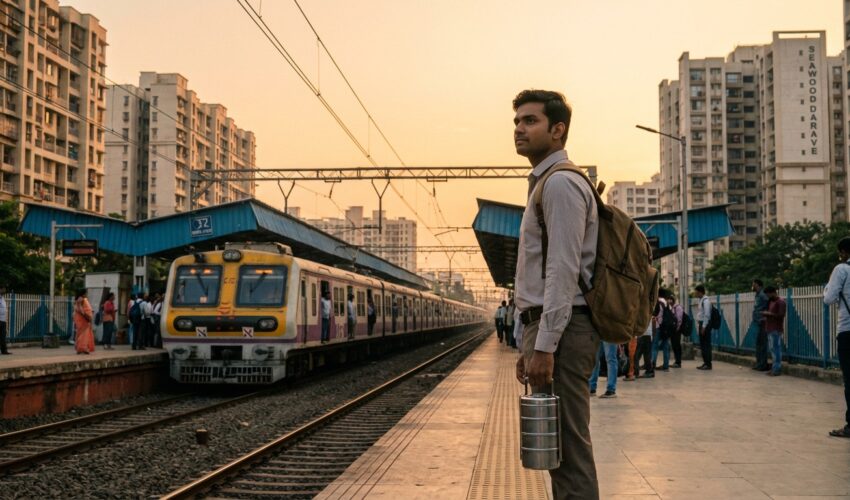
How to Live in Mumbai Under ₹40,000 Per Month: Realistic Budget Breakdown 2026
The myth that Mumbai is unaffordable refuses to die — but here’s the truth: you can live in Mumbai under 40000 per month in 2026 and actually thrive, not just survive. We’re talking about living in Mumbai on a ₹40,000 budget with real savings and quality of life.
Admittedly, Mumbai’s cost of living has increased. Rent prices have crept up and food inflation is real, as noted by the rising urban costs in Mumbai. But smart choices in location, eating habits, and transport can shatter the narrative that only high-earners belong in this city.
Specifically, this guide breaks down exactly how to live in Mumbai under 40000 rupees a month — with real numbers, real areas, and real examples from people actually doing it right now in Mumbai and Navi Mumbai.
How to Live in Mumbai Under 40000 Per Month: Budget Breakdown
Here’s how ₹40,000 actually divides across living expenses for a single person or couple sharing costs:
| Expense Category | Amount (₹) | Percentage of Budget |
|---|---|---|
| Rent and Housing | ₹15,000 | 37.5% |
| Food and Groceries | ₹6,000 | 15% |
| Transport | ₹2,000 | 5% |
| Utilities (Electricity, Water, Internet) | ₹2,500 | 6.25% |
| Mobile and Recharge | ₹500 | 1.25% |
| Entertainment and Miscellaneous | ₹3,000 | 7.5% |
| Savings | ₹11,000 | 27.5% |
Importantly, this isn’t subsistence living — it’s a practical plan to live in Mumbai under 40000 per month while still saving 27.5% of your income (₹11,000). You have ₹3,000 for entertainment monthly. In other words, you’re not cutting rice and dal every meal.
The secret is this: rent — the biggest expense — doesn’t have to be in South Mumbai or Bandra. Once you move 30–40 km out, or to Navi Mumbai, the entire calculation changes, and you can genuinely live in Mumbai under ₹40,000 per month.
Where to Live in Mumbai Under ₹40,000: Neighbourhoods With Rent Under ₹15,000
Your rent threshold of ₹15,000 opens up entire neighborhoods most people never consider. Here’s the geography of affordable living for those who want to live in Mumbai under ₹40,000:
Navi Mumbai Sectors: Top Budget Zones to Live in Mumbai Under ₹40,000
Notably, Navi Mumbai was designed as a satellite city, and it still delivers on affordability. You’ll find 1-bedroom flats and studios in these sectors:
Sector 1 to 10 (Vashi, Nerul): ₹12,000–15,000 for 1 BHK. This is the CBD area with excellent public transport. Close to everything.
Sector 11 to 20 (Kharghar, Belapur): ₹10,000–13,000 for 1 BHK. Quieter and more family-oriented, but still well-connected.
Sector 50 to 60 (Seawoods, Nerul West): ₹13,000–15,000 for 1 BHK. Premium Navi Mumbai — worth the extra cost.
Additionally, Navi Mumbai has the advantage of being officially part of Mumbai Metropolitan Area. Thus, your salary, your lifestyle, your identity all fit within one urban zone. Read more about cost of living in Navi Mumbai vs Mumbai for detailed comparisons.
Mira Road and Beyond: Affordable Options to Live in Mumbai Under ₹40,000
Mira Road is 40 km north of South Mumbai, and rents here are surprisingly affordable. 1 BHK flats rent for ₹8,000–11,000. However, the catch is the commute to South Mumbai — about 90 minutes. Nevertheless, if your office is in Thane or Navi Mumbai, it’s perfect.
Dombivli and Kalyan
If you move to Dombivli or Kalyan, rent drops to ₹7,000–10,000 for 1 BHK. Moreover, these areas are becoming employment hubs — Dombivli especially is seeing startup and IT offices move in. The Western Railway connects you to central Mumbai in 45 minutes.
Virar
Virar is the extreme budget option — ₹6,000–8,000 for 1 BHK. However, the downside is real: the commute to central Mumbai is 2 hours. Therefore, only consider this if your job is in North Mumbai or you’re working from home.
Vashi and Nerul in Navi Mumbai
Consequently, these are your sweet spots — ₹12,000–14,000 rent, excellent metro connectivity, office spaces everywhere, and shopping malls nearby. You don’t feel like you’re on the outskirts at all. Visit best areas to live in Navi Mumbai for a deeper dive into neighbourhood quality.
How to Keep Food Costs Low When You Live in Mumbai Under ₹40,000
₹6,000 for food sounds tight, but it’s actually manageable. Specifically, the key is eating like a local — not like a tourist. This is one of the biggest advantages when you live in Mumbai under ₹40,000 per month.
The Reality of Grocery Shopping to Stay Within Your ₹40,000 Mumbai Budget
For instance, if you cook at home, your daily food cost should be ₹150–200 per person — that covers breakfast, lunch, dinner, and snacks. The math: 30 days × ₹180 = ₹5,400. You’re within budget with room to spare.
What does ₹150-200 buy you daily?
- Breakfast: Oats with milk, or bread with butter and jam, or idli with sambar — cost: ₹30–40.
- Lunch: Dal rice, sabzi with roti, or simple chicken curry with rice — cost: ₹60–80.
- Dinner: Repeat lunch with variety — cost: ₹60–80.
- Snacks: Tea, banana, boiled eggs, puffed rice — cost: ₹20–30.
In fact, you’re not eating luxury food. You’re simply eating the way most Mumbai residents actually eat.
Smart Shopping Strategy to Live in Mumbai Under ₹40,000
First and foremost, stop using Swiggy and Zomato for everyday meals. A single order costs ₹300–500 and ruins your food budget for two days. Instead, cook at home:
Buy from local markets: Vegetables at sabzi mandis in Navi Mumbai cost 30–40% less than supermarkets. Get rice, dal, and spices from wholesale stores, and shop for packaged goods at D-Mart on weekends.
Meal prep on weekends: Cook rice and dal in bulk, chop vegetables for the week, and marinate chicken or paneer. This takes 2 hours and saves ₹200+ weekly.
Induction cooking: If you have an induction stove, electricity cost is minimal. Cooking rice and dal costs you about 50 paise per meal in electricity.
Seasonal eating: Additionally, buy what’s in season. For example, monsoon onions are ₹15/kg, summer tomatoes are ₹20/kg — off-season, they’re triple the price.
What to Avoid
As a rule, cut out: coffee shop lattes (₹150 each), packaged snacks (₹50 per item), meat every meal (₹100+ per portion), and branded products. These expenses drain food budgets fast.
Transport Tips When You Live in Mumbai Under 40000 Per Month
Importantly, transport in Mumbai is cheap if you use public systems. A single metro ride costs ₹10–30, an auto costs ₹50–80 for most distances, and a bike delivery service is ₹80–100. Consequently, these options make it very realistic to live in Mumbai under ₹40,000 even with daily commuting.
The Monthly Pass Strategy for Affordable Mumbai Living Under ₹40,000
First, get a monthly travel card for local trains: ₹850–1,200 depending on distance. This gives you unlimited local train travel. If you’re in Navi Mumbai and commuting to central Mumbai, this card alone cuts your transport cost in half.
Furthermore, the Navi Mumbai Metro is expanding fast. Metro cards cost ₹800–1,000 monthly for regular use. Combined with trains, you’re covered for ₹1,500–1,800 total.
Cycling and Walking: Free Transport Options for Mumbai Living Under ₹40,000
Alternatively, if your office is within 5 km of your home, cycling is a great option. A bicycle costs ₹3,000–8,000 as a one-time purchase, maintenance is negligible, and you save ₹400–500 monthly in transport while gaining fitness.
In Navi Mumbai sectors, everything is 2–3 km apart. As a result, walking is genuinely viable — and free.
Avoid Private Transport
In contrast, auto-rickshaws for daily commuting will drain ₹3,000+ monthly. Ola and Uber are premium options that don’t fit a budget lifestyle. Moreover, bikes might seem cheap, but fuel and maintenance add up. Therefore, stick to trains and metro.
Real Monthly Budget Examples: How People Live in Mumbai Under ₹40,000
Profile 1: Live in Mumbai Under 40000 – Single IT Professional (Vashi)
| Item | Amount |
|---|---|
| 1 BHK Flat Rent (Vashi) | ₹13,000 |
| Food (home cooked) | ₹5,500 |
| Metro/Train Pass | ₹1,500 |
| Utilities (Electricity, Water, WiFi) | ₹2,200 |
| Mobile Recharge (1 GB, unlimited calls) | ₹300 |
| Entertainment (2-3 movies, eating out once) | ₹2,500 |
| Clothes, Shoes, Personal Care (monthly average) | ₹800 |
Total Spent | ₹25,800 |
Savings | ₹14,200 |
In this case, it’s an entry-level or mid-level IT professional earning ₹40,000 monthly after tax and deductions. As a result, they save 35% of income, live in a respectable neighbourhood, and maintain an active social life — a perfect example of how to live in Mumbai under ₹40,000.
Profile 2: A Couple Living in Mumbai Under ₹40,000 in Dombivli
| Item | Amount |
|---|---|
| 2 BHK Flat Rent (Dombivli) | ₹14,000 |
| Food (both cook, buy in bulk) | ₹5,000 |
| Train Passes (2 people) | ₹1,800 |
| Utilities (Electricity, Water, WiFi) | ₹2,000 |
| Mobile (2 phones) | ₹600 |
| Entertainment (dates, movies) | ₹3,500 |
| Household (groceries, cleaning supplies) | ₹1,500 |
Total Spent | ₹28,400 |
Joint Savings | ₹11,600 |
Combined monthly income: ₹40,000. Combined savings: ₹11,600. Consequently, this couple is building a down payment for a home while living a full life in a growing area — proof that two people can live in Mumbai under ₹40,000 together.
Profile 3: Student Living in Mumbai Under ₹40,000 — Shared Flat in Vashi
| Item | Amount |
|---|---|
| Shared 2 BHK, Own Room (Vashi) | ₹7,000 |
| Food (hostel meal plan + home groceries) | ₹4,500 |
| Metro Pass | ₹900 |
| Utilities (split among 4 people) | ₹800 |
| Mobile | ₹200 |
| Entertainment (movies, hangouts) | ₹2,000 |
| Books, Course Materials | ₹1,500 |
Total Spent | ₹16,900 |
Savings/Contingency | ₹23,100 |
As a result, a student earning ₹40,000 monthly — from an internship, part-time job, or family support — in shared housing has enormous flexibility. Moreover, low fixed costs mean emergencies don’t hurt, with money left over for skill-building or travel.
What You Give Up to Live in Mumbai Under ₹40,000 Per Month
To be honest, living in Mumbai under ₹40,000 requires real tradeoffs. Here’s what you give up — and why most people ultimately find it worth it:
You Won’t Live in South Mumbai or Bandra
A 1 BHK in Bandra costs ₹30,000+, Colaba costs ₹40,000+, and Andheri West costs ₹22,000+. Therefore, if you want to live in Mumbai under 40000 per month, these neighbourhoods are off the table. In short, you accept the commute or sacrifice the prestige address.
You Can’t Eat Out Daily
To put it simply, restaurant meals cost ₹300–500. Daily eating out would cost ₹9,000–15,000 monthly — that’s your entire food budget gone. If you want to live in Mumbai under 40000, you’ll be cooking at home. If you hate cooking, this budget won’t work for you.
You Won’t Own a Car
Similarly, car EMI, fuel, parking, and insurance easily add up to ₹15,000–20,000 monthly. While two-wheelers are doable (₹300–500 monthly for fuel), a car is off the table when you live in Mumbai under 40000.
You’ll Have Limited Entertainment
Additionally, nightclubs, concerts, and international movies cost ₹1,000–3,000 per outing. Instead, your entertainment will shift to cheaper options: parks, friends’ homes, streaming platforms (₹150–300 monthly), local events, and affordable eateries.
You Can’t Shop Impulsively
Furthermore, clothes, gadgets, and furniture — you buy when you need them, not when you want them. In practice, your wardrobe will be functional rather than fashionable, and your phone upgrade will wait 4–5 years.
You’ll Spend Time on Tasks Others Outsource
Finally, you won’t hire help for cleaning, laundry, or cooking — you do these yourself. This saves ₹3,000–5,000 monthly but costs time and energy.
Budget Apps and Tools to Help You Live in Mumbai Under ₹40,000
Walnut (Indian, Free)
Walnut connects to your bank and categorizes all spending automatically. It shows exactly where your money goes, and the analytics help you identify where you’re overspending.
Money View
Similar to Walnut, Money View includes investment tracking. If you’re saving ₹11,000 monthly, this app helps you invest it wisely and monitor growth.
Goodbudget
Goodbudget uses a digital envelope system where you allocate ₹6,000 for food, ₹15,000 for rent, and so on. Spending across envelopes feels more controlled, and couples can sync the app and track spending together.
Google Sheets
Google Sheets offers the old-school approach: create a spreadsheet with budget categories and add actual expenses daily. By month-end, you have a complete spending picture. Surprisingly, this works very well and forces you to think about every rupee.
HDFC BankingOnMobile, ICICI Pockets
Your bank’s app shows all transactions. Additionally, set budget alerts so you’re notified when you’re approaching limits in any category.
FAQ: Living in Mumbai Under ₹40,000 — Your Questions Answered
Can I Actually Live in Mumbai Under 40000 Per Month Comfortably?
Yes. If you define “comfortable” as having a private or shared home, eating three meals daily, using public transport, having a social life, and saving money — then you can absolutely live in Mumbai under ₹40,000 per month. Admittedly, you won’t have luxury, but you will have stability and peace of mind.
Cheapest Areas to Live in Mumbai Under 40000: Where to Find Low Rents
Virar, Kalyan, and Dombivli have the cheapest rents: ₹6,000–10,000 for 1 BHK. However, the downside is that commute time to job centres is long. On the other hand, Navi Mumbai (Kharghar, Sector 1–20) offers the best balance: low rents (₹10,000–13,000) with short commutes (20–40 minutes).
Is it really possible to eat healthy on ₹6,000 monthly?
Yes. Healthy eating means whole grains, vegetables, proteins, and legumes — and these are actually cheaper than processed food. In fact, Indian meals (rice-dal-vegetable-roti) are both nutritious and affordable. Therefore, the cost per meal of ₹150–200 is completely sustainable on a ₹6,000 food budget.
What If Unexpected Expenses Disrupt Your ₹40,000 Mumbai Budget?
This is precisely why the budget includes ₹11,000 in savings monthly. After just 3–4 months, you have ₹33,000–44,000 in emergency funds. As a result, medical bills under ₹10,000 are fully covered, and larger emergencies can be managed by drawing from savings.
Should I Move to Navi Mumbai to Live in Mumbai Under 40000?
If your office is in South Mumbai and you commute daily, moving to Navi Mumbai saves ₹5,000–8,000 monthly in rent. The commute is 60–90 minutes each way (metro + local train), and the time cost is significant. If your salary is below ₹50,000, the rent savings make it worth considering. If above ₹50,000, staying closer to work may be better for your mental health and productivity.
How Do Rising Costs Affect Your Plan to Live in Mumbai Under ₹40,000?
Inflation is real — in 2026, food costs are up 8–12% from 2024, and rent increases 5–10% annually. To continue to live in Mumbai under ₹40,000, you’ll need annual salary increases of at least 5–8%. If you’re not getting raises, you’ll gradually exceed this budget. The solution: upskill to command higher pay, or reduce expenses further by finding cheaper rent or cutting discretionary spending.
The Bottom Line: Yes, You Can Live in Mumbai Under 40000
To live in Mumbai under ₹40,000 per month is not just possible — it’s realistic and achievable in 2026. In fact, it requires smart location choices, home cooking, public transport discipline, and clear financial priorities. Although you won’t live like you’re earning ₹1,00,000, you will live with dignity, stability, and the ability to save consistently.
Specifically, the key is Navi Mumbai. The new city was built as an alternative to South Mumbai — and that’s exactly what it delivers: a functioning urban space without the premium price tag. As a result, sectors like Vashi, Nerul, and Kharghar offer the lifestyle and connectivity you want at prices you can afford.
Ultimately, forget the myth that Mumbai belongs only to the rich. It doesn’t. You simply have to be intentional about where you live and how you spend your money.
To get started, explore the Navi Mumbai areas mentioned above. Check rents on 99acres or Magicbricks, look at metro and train schedules to your office, and calculate your true commute time. Once you see the numbers, you’ll understand why thousands of people choose to live in Mumbai under ₹40,000 per month.
For more insights on Navi Mumbai specifically, check out our guide on Navi Mumbai property rates area-wise to understand price variations across sectors.
You can live in Mumbai under ₹40,000 — the question isn’t whether it’s possible. The question is whether you’re willing to be intentional about how you do it.