


Navi Mumbai to Pune by Road 2026: Routes, Tolls, Travel Time, and Best Stops
The Navi Mumbai to Pune drive is one of the most common road trips in western India. Whether you are heading for a weekend break, a business meeting, or a college visit, the route takes you through some of Maharashtra’s most scenic terrain. This guide covers the three main routes, current toll charges, realistic travel times, fuel costs, and the best stops along the way in 2026.
Three routes from Navi Mumbai to Pune
Route 1: Mumbai-Pune Expressway via Kalamboli. This is the fastest and most popular route. Distance is roughly 150 kilometres from Vashi and takes 2 to 2.5 hours without traffic. The expressway starts at Kalamboli, which is a 20-minute drive from most Navi Mumbai nodes. Six lanes, concrete surface, speed limit of 80 to 120 kmph. Best for cars and SUVs. Trucks and two-wheelers are not allowed on the expressway.
Route 2: Old Mumbai-Pune Highway (NH-48) via Lonavala. Distance is around 160 kilometres. Takes 3 to 3.5 hours. This is the route you take if you want to stop at Lonavala, Khandala, or any of the highway dhabas. Two-wheelers and commercial vehicles use this route since the expressway restricts them. The road is decent but has single-lane stretches and ghat sections that slow things down.
Route 3: Via Tamhini Ghat. The scenic route through Tamhini Ghat is roughly 130 kilometres but takes 3.5 to 4 hours due to winding ghat roads. Only recommended during dry months (October to May) and not for inexperienced drivers. The views are spectacular, but the road quality drops significantly after the ghat section. Best treated as a leisure drive, not a commute.
Toll charges from Navi Mumbai to Pune 2026
The Mumbai-Pune Expressway toll for a car is approximately ₹320 one way in 2026. This makes it one of the most expensive expressway tolls in India, having seen an 18% hike recently. LCVs pay around ₹495 and heavy vehicles around ₹1,095.
The old highway route has multiple smaller toll plazas. Total toll for a car via the old highway is approximately ₹150 to ₹200 one way, depending on exact entry and exit points.
FASTag is mandatory at all toll plazas. Make sure your FASTag balance is loaded before you start. There is no cash lane option at the expressway toll booths.
Best time to drive and traffic patterns
Leave before 6:30 AM on weekends and you will hit almost no traffic on the expressway. The Kalamboli entry gets congested between 7:30 and 10:00 AM on Saturdays as Mumbai residents head to Lonavala and Pune. Return traffic from Pune towards Mumbai peaks between 4:00 and 8:00 PM on Sundays.
Weekday traffic is lighter but watch for truck movement on the old highway, especially between Panvel and Khopoli. Avoid driving through the ghats at night if you are on the old highway. Visibility drops sharply and the roads are not well lit.
Monsoon driving (June to September) requires extra caution on all three routes. The expressway gets foggy and slippery, the old highway has waterlogging near Khopoli, and the Tamhini Ghat route becomes genuinely dangerous with landslide risk.
Best stops along the way
Khopoli: First pit stop after the expressway climb. Multiple food plazas and petrol pumps. The McDonald’s and Cafe Coffee Day at the food court are the cleanest quick-stop options.
Lonavala and Khandala: The classic halfway break. Chikki shops line the main road. Maganlal Chikki and Cooper’s are the most popular. If you want a sit-down meal, Rama Krishna or The Kinara Village Dhaba are solid options.
Imagicaa: If you are travelling with kids, the Imagicaa theme park near Khopoli is right off the expressway. Plan a full day if you are stopping here.
Karla and Bhaja Caves: Ancient Buddhist rock-cut caves just off the expressway near Lonavala. A 30-minute detour for history and views. Best visited on the way to Pune, not on the return when you are tired.
Rajmachi Fort: For trekkers, the Rajmachi trail starts near Lonavala. This is a full-day commitment, not a casual stop. Best during post-monsoon months when the fort and surrounding hills are lush green.
Fuel cost estimate
For a petrol car averaging 14 to 16 kmpl, the 150-kilometre expressway route will consume roughly 9 to 11 litres of fuel. At current petrol prices of around ₹105 per litre in Navi Mumbai, that is ₹950 to ₹1,150 one way. Add the ₹320 toll and your total one-way driving cost is approximately ₹1,300 to ₹1,500 for a single car.
Diesel cars and SUVs do better on fuel but may pay higher toll rates depending on vehicle class. CNG vehicles should fill up before hitting the expressway as CNG stations are sparse between Kalamboli and Pune. EVs can use the charging stations at Khopoli and Lonavala rest areas, but plan your charge levels carefully.
Frequently asked questions
How long does it take to drive from Navi Mumbai to Pune?
Via the Mumbai-Pune Expressway, 2 to 2.5 hours without traffic. Via the old highway, 3 to 3.5 hours. Via Tamhini Ghat, 3.5 to 4 hours. Add 30 to 45 minutes during weekend peak hours.
What is the expressway toll from Navi Mumbai to Pune in 2026?
Approximately ₹320 one way for cars. LCVs pay around ₹495 and heavy vehicles around ₹1,095. FASTag is mandatory with no cash lane option.
Can two-wheelers use the Mumbai-Pune Expressway?
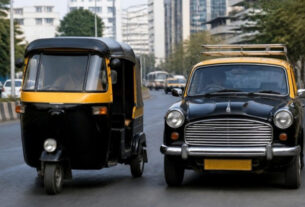
No. Two-wheelers and three-wheelers are not allowed on the expressway. Use the old Mumbai-Pune Highway via Lonavala instead.
Where should I stop for food on the way to Pune?
Khopoli food court for quick bites, Lonavala for chikki and sit-down meals, and the highway dhabas near Khandala for Maharashtrian food. The expressway rest areas also have clean washrooms and basic food options.
Is the Tamhini Ghat route safe?
During dry months (October to May) with daylight driving, yes. Avoid during monsoon due to landslide risk and poor visibility. Not recommended for inexperienced drivers or at night.
Written by NaviMumbai Editorial
NaviMumbai.com is a local city guide covering real estate, lifestyle, education, and travel across Navi Mumbai. Our editorial team researches and publishes practical, up-to-date guides for residents, homebuyers, and visitors exploring the planned city.