
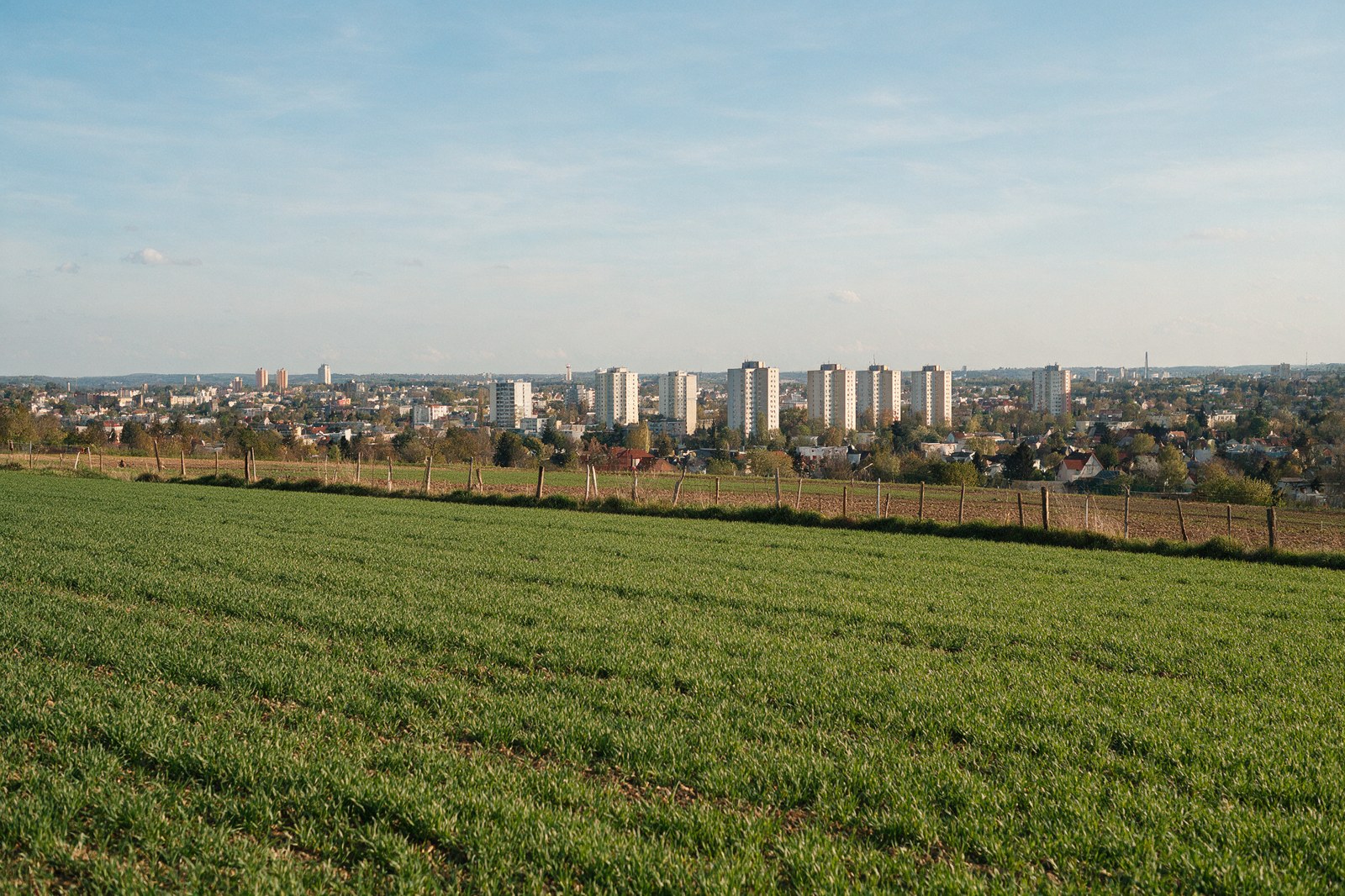
The image above is an AI generated illustration made for this guide. It does not show a real person or property.
Quick answer: under RBI’s rules an NRI or OCI cardholder can buy residential and commercial property in India without RBI approval, but not agricultural land, plantation property or a farm house. In Maharashtra there is a second, separate hurdle. Agricultural land can generally be bought only by an agriculturist, and an NRI is treated like any other non-agriculturist. This guide explains what is allowed, what is not, how plots and inheritance fit in, and how to check a piece of land before you pay.
This is general information and not legal advice. RBI rules, the Maharashtra land laws and their 2026 amendments change, and some points below come from secondary sources. Confirm with your authorised dealer bank and an advocate before you commit money. This guide is independent and has not been reviewed by a lawyer.
What RBI allows and what it does not
| Property | NRI or OCI buyer |
|---|---|
| Residential flat or house | Allowed without RBI approval |
| Commercial property | Allowed without RBI approval |
| Agricultural land | Not allowed without specific RBI approval |
| Plantation property | Not allowed without specific RBI approval |
| Farm house | Not allowed without specific RBI approval |
This is from RBI’s Master Direction on acquisition and transfer of immovable property, and the RBI FAQ gives the same position. The Master Direction on that page is an older version, so confirm the current text with your bank. The three restricted categories are not defined in detail there, so a house built on land that is classed as agricultural is a question for an advocate, not for a guess.
Citizens of certain countries
The Master Direction says citizens of Pakistan, Bangladesh, Sri Lanka, Afghanistan, China, Iran, Nepal, Bhutan, Macau, Hong Kong and North Korea need prior RBI permission to acquire or transfer immovable property in India, and it carves out leases of five years or less. It also says this does not apply to an OCI cardholder. If this could affect you, take advice before you pay anything.
The Maharashtra rule is separate
RBI decides who may buy under foreign exchange law. State land law decides whether a particular plot can be sold to you. Section 63 of the Maharashtra Tenancy and Agricultural Lands Act, 1948 (earlier the Bombay Tenancy Act) restricts the transfer of agricultural land to a person who is not an agriculturist without the Collector’s permission (see an explainer). Citizenship is not the test, so an NRI or OCI cardholder is treated like any other non-agriculturist.
- A 2016 amendment added exceptions for land in certain categories or areas, and commentary disagrees on how far they go. Do not assume an exception applies to your plot.
- The Maharashtra Tenancy and Agricultural Lands Laws (Amendment) Act, 2026 was reported in April 2026. Summaries describe changes around conversion charges and some industrial use (see TeamLease RegTech). We have not seen anything that changes the agriculturist rule for a personal buyer. Check the gazetted text with your advocate.
Buying a plot
- A residential or commercial plot is not restricted under the RBI rule. What matters is whether the land is agricultural in the revenue records or already classed as non agricultural (NA).
- Ask for the seven twelve extract, the NA permission or conversion order, the zone certificate from the planning authority, and the sanctioned layout. Have an advocate read them. A plot being sold to you as NA but still shown as agricultural in the records is a warning sign.
- In and around NAINA, whether a plot sits under a development plan or a town planning scheme changes what you can build and when. See the NAINA land buying checks, the NAINA guide and the NAINA town planning scheme explainer.
- Plot finance is different from flat finance. See the plot loan guide.
Inheritance, gift and sale
| Route | What the Master Direction says |
|---|---|
| Inheriting from a person resident in India or abroad | Allowed. The inheritance paragraphs do not carry the agricultural land exclusion, so an NRI can inherit agricultural land. See the NRI inheritance guide |
| Gift from a relative | Allowed, but the exclusion applies. Agricultural land, plantation property and farm houses cannot be gifted to an NRI or OCI under this provision. See the gift deed guide |
| Selling to a resident Indian | Allowed for any property, including agricultural land |
| Selling to another NRI or OCI | Not allowed for the three restricted categories |
Inheriting agricultural land does not remove the Maharashtra problem when you later sell to someone who is not an agriculturist. Ask your advocate before you plan the sale. See the step by step guide to selling your flat as an NRI.
Payment and sending money out
- Pay by inward remittance through banking channels or from an NRE, FCNR(B) or NRO account. Travellers cheques and foreign currency notes are not allowed. See the guide to opening an NRI bank account.
- The Master Direction says sale proceeds can be repatriated only for property other than the restricted three, and only where it was acquired in line with the rules and paid for in foreign exchange or from NRE or FCNR(B) funds. For the details, see the guide to sending property sale proceeds abroad.
A foreign spouse and other special cases
- The Master Direction lets a foreign spouse who is not an NRI or OCI jointly acquire one property, with the same exclusions, if the marriage was registered and has lasted at least two continuous years. Ask your bank about the conditions.
- We have not found a clear rule that lets a company or partnership route get around the agricultural land bar. Do not try to structure around it without legal advice.
Checks before you pay
| Check | Why |
|---|---|
| Is the land residential, commercial or agricultural in the records? | Agricultural land is restricted under both RBI and Maharashtra rules. |
| NA permission or conversion order | Shows the land has been converted for non agricultural use. |
| Seven twelve extract and mutation entries | Show current ownership and use in the revenue records. |
| Zone and development plan position | Decides what can be built. |
| Whether any restriction applies to your nationality | Some nationalities need RBI approval. |
| How the payment will be made | Banking channels only, from the right account. |
| What happens when you sell | The buyer pool and any restriction on the next sale. |
See the guide to the documents NRIs need for Indian property for your own papers, the NRI property buying guide for the buying process and the property lawyer checklist for choosing an advocate.
Frequently Asked Questions
Can an NRI buy agricultural land in India?
Not without specific RBI approval. RBI’s Master Direction excludes agricultural land, plantation property and farm houses from the general permission. In Maharashtra, the state law on agricultural land is a separate hurdle.
Can an OCI cardholder buy a flat in India?
Yes. RBI’s rules allow NRIs and OCI cardholders to buy residential and commercial property without approval.
Can an NRI buy a plot in Navi Mumbai?
A residential or commercial plot is not restricted under the RBI rule, but the land must be non agricultural in the records. Check the NA permission, the seven twelve extract and the zone certificate with an advocate.
Can an NRI inherit agricultural land?
Yes. The inheritance provisions do not carry the exclusion. Selling it later to a non agriculturist in Maharashtra can still need the Collector’s permission.
Can I be gifted agricultural land as an NRI?
Not under the gift provision. The exclusion for agricultural land, plantation property and farm houses applies.
Can an NRI sell agricultural land to a resident?
Yes. A sale to a resident Indian is allowed for any property, subject to the state land rules.
Which nationalities need RBI approval?
The Master Direction lists Pakistan, Bangladesh, Sri Lanka, Afghanistan, China, Iran, Nepal, Bhutan, Macau, Hong Kong and North Korea. It says this does not apply to an OCI cardholder.
Sources
| Point | Source |
|---|---|
| RBI general permission and exclusions | RBI Master Direction and RBI FAQ |
| Maharashtra agricultural land law | iPleaders and TeamLease RegTech |
Reviewed on 29 October 2026. The RBI Master Direction page is an older version and the 2026 Maharashtra amendment was read from summaries. Confirm the current text with your bank and an advocate before you buy. This guide has not been reviewed by a lawyer.
NaviMumbai.com is an independent information site and is not affiliated with any government body.