Best Time to Visit Navi Mumbai: Complete Seasonal Guide 2026

Best Time to Visit Navi Mumbai: Complete Seasonal Guide 2026

Navi Mumbai doesn’t operate on tourist seasons the way Goa or Kerala does—it operates on livability seasons. Ask a local when to visit, and you’ll get three different answers depending on whether they’re trekkers, festival enthusiasts, or beach lovers. The truth? This planned city offers distinct experiences across its three primary seasons, and the “best time” entirely depends on what you’re chasing: monsoon waterfalls, comfortable sightseeing weather, or vibrant cultural festivals.

When Should You Visit Navi Mumbai?

Best for Nature Lovers: June-September (Monsoon – waterfalls, green hills, trekking)
Best for Tourists: October-February (Winter – pleasant weather, outdoor activities, festivals)
Avoid if Heat-Sensitive: March-May (Summer – 35-40°C, humid, uncomfortable for sightseeing)

Average Temperature Range:

  • Winter: 15-28°C (comfortable)
  • Summer: 28-40°C (hot & humid)
  • Monsoon: 24-32°C (wet but pleasant)

Peak Festival Season: September-November (Ganesh Chaturthi, Navratri, Diwali)

Understanding Navi Mumbai’s Three Distinct Seasons

Navi Mumbai seasonal travel guide infographic winter monsoon summer weather festivals budget comparison best time visit

Unlike destinations that blur into perpetual summer, Navi Mumbai experiences pronounced seasonal shifts that fundamentally change the city’s personality.

Geographic Context:

Navi Mumbai sits on the Konkan coast, wedged between the Arabian Sea and the Western Ghats (Sahyadri mountains). This unique positioning creates microclimates—coastal areas remain breezy while inland sectors like Kharghar and Panvel experience more extreme temperatures. Understanding these variations helps you plan better.

Monsoon Season (June to September): For the Adventurous

Monsoon season Navi Mumbai Pandavkada waterfall green hills trekking misty clouds Western Ghats rainfall tourism

Temperature: 24-32°C
Rainfall: Heavy (2,500-3,000mm annually)
Humidity: 80-90%

If you’ve never experienced monsoon in the Western Ghats, you haven’t seen Navi Mumbai’s true character. The rains transform this planned city into an emerald wonderland.

Why Visit During Monsoon:

  • Waterfall Season: Over 30 seasonal waterfalls appear around Kharghar, Panvel, and nearby Matheran region. Pandavkada Falls, Zenith Waterfall, and Bhivpuri come alive with thundering cascades
  • Trekking Paradise: Trails like Karnala Fort, Kalavantin Durg, and Rajmachi offer misty, cloud-covered experiences impossible to replicate in dry season
  • Green Explosion: Central Park Kharghar, Parsik Hills, and Yeoor Hills turn vibrant green within weeks
  • Lower Crowds: Tourist spots remain relatively uncrowded on weekdays
  • Affordable Stays: Hotel and resort rates drop 20-30% compared to peak winter season

Monsoon Challenges:

  • Outdoor sightseeing becomes difficult during heavy downpours
  • Transportation can face delays during extreme weather
  • Coastal activities (like Mini Seashore visits) less enjoyable
  • Humidity makes indoor experiences uncomfortable without AC

Perfect For: Nature photographers, trekking enthusiasts, waterfall chasers, budget travelers willing to embrace unpredictability.

Winter Season (October to February): Peak Tourist Time

Temperature: 15-28°C
Rainfall: Minimal to none
Humidity: 40-60%

Winter is when Navi Mumbai earns its “livable city” reputation. The weather reaches that Goldilocks zone—not too hot, not too cold, just right.

Why Visit During Winter:

Perfect Weather: Comfortable temperatures ideal for all-day outdoor exploration. Mornings can dip to 15°C (bring light jacket), afternoons reach pleasant 26-28°C

Festival Extravaganza:

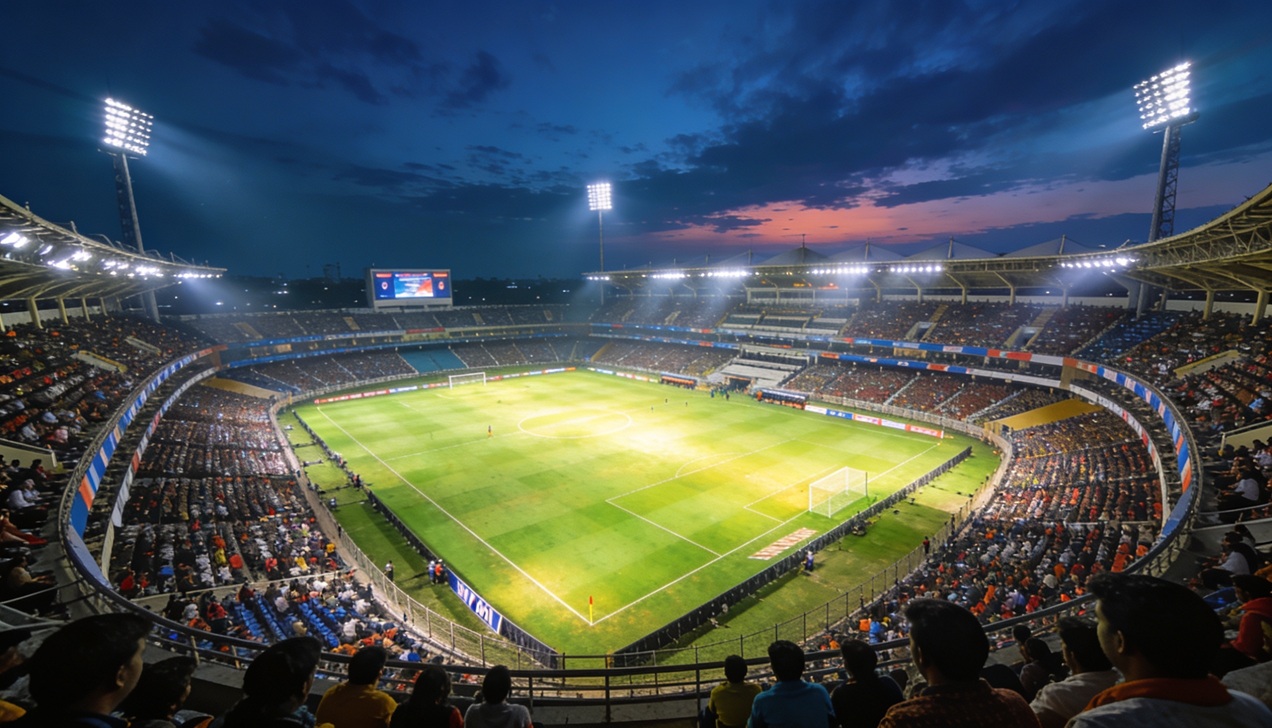
Ganesh Chaturthi festival Navi Mumbai pandal celebration Ganpati cultural events community winter season tourism

  • September: Ganesh Chaturthi transforms Vashi and Nerul into vibrant celebration zones with massive pandals
  • October: Navratri brings Garba nights across the city; Dussehra celebrations at major community centers
  • November: Diwali lights up residential complexes and commercial areas spectacularly
  • December-January: Christmas markets at Seawoods, New Year events, winter carnivals

Outdoor Activities Peak:

  • Beach visits to Alibaug and nearby coastal areas (accessible via Atal Setu in 1 hour)
  • Picnics at Central Park Kharghar, Wonders Park Nerul
  • Cycling along Palm Beach Road and Mini Seashore
  • Bird watching at Karnala Bird Sanctuary (migratory birds arrive)
  • Food festivals and weekend markets

Downsides:

  • Accommodation prices surge 30-40% during December-January
  • Popular spots crowded on weekends
  • Advanced bookings essential for hotels and restaurants during festivals

Perfect For: First-time visitors, families with children, festival enthusiasts, photographers, outdoor activity lovers, comfort-seeking travelers.

Summer Season (March to May): The Off-Season

Temperature: 28-40°C
Rainfall: Occasional pre-monsoon showers (May)
Humidity: 60-75%

Let’s be direct: summer isn’t Navi Mumbai’s finest hour. The combination of heat and coastal humidity creates uncomfortable conditions.

Why Some Still Visit:

  • Off-season rates: Hotels offer 40-50% discounts; great for budget travelers
  • Mango season: April-May brings Alfonso mangoes to local markets
  • School holidays: Families with children on vacation visit relatives
  • Indoor attractions: Malls, museums, and air-conditioned venues remain comfortable

Summer Survival Tips:

  • Plan outdoor activities only before 10 AM or after 6 PM
  • Stay hydrated—carry 2+ liters water
  • Stick to coastal areas (Nerul, Seawoods) where sea breeze provides relief
  • Focus on indoor experiences: Inorbit Mall, Seawoods Grand Central, movie theaters
  • Consider weekend getaways to nearby hill stations (Matheran, Lonavala) for respite

Perfect For: Extreme budget travelers, people visiting family/friends (not primary tourism), those combining Navi Mumbai with hill station trips.

Month-by-Month Quick Guide

Winter outdoor activities Central Park Kharghar families picnic jogging pleasant weather best time visit Navi Mumbai

Best Months (Ranked):

  1. November-December: Perfect weather + festivals + holiday season
  2. January-February: Clear skies, comfortable temperatures, fewer crowds than Dec
  3. July-August: Peak monsoon beauty for nature lovers
  4. September-October: Post-monsoon freshness + major festivals
  5. March-April: Bearable heat, pre-summer rates
  6. May-June: Hot and humid, only for budget travelers

Special Events Calendar 2026

Annual Events Worth Planning Around:

  • Navi Mumbai Marathon (January): Major sporting event attracting 15,000+ participants
  • Kala Ghoda Arts Festival Extension (February): Art installations across Seawoods
  • Food Truck Festival (March): Palm Beach Road hosts weekend food carnival
  • Independence Day Celebrations (August): Major events at CIDCO grounds
  • Navi Mumbai Utsav (November): Week-long cultural festival showcasing local talent

Choose Your Adventure

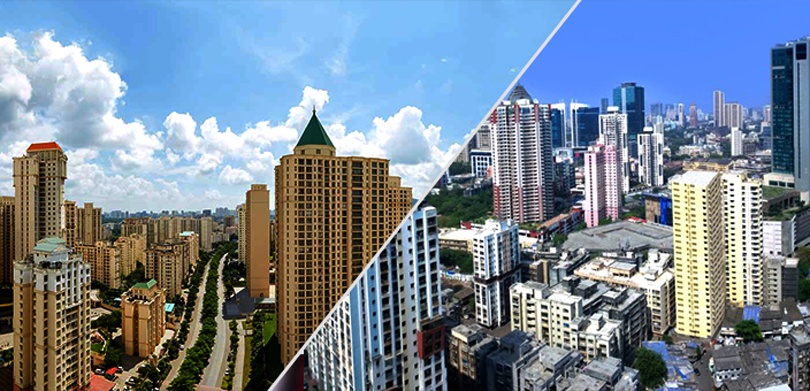
Navi Mumbai skyline sunset Palm Beach Road modern city planned development tourism destination evening view

Navi Mumbai doesn’t demand you visit during a narrow “tourist season.” Instead, it offers three distinct personalities across the year, each appealing to different traveler types.

Chase waterfalls and emerald hills? Monsoon’s your season. Prefer comfortable sightseeing and festival immersion? Winter delivers perfectly. On an extreme budget? Summer’s discounts might justify the heat.

The real insight? Combine your visit with understanding Navi Mumbai’s micro-regions. Coastal sectors (Nerul, Seawoods, Belapur) stay cooler year-round thanks to sea breeze. Inland areas (Kharghar, Panvel) experience temperature extremes but offer proximity to nature.

FAQs

Q. What is the best month to visit Navi Mumbai?

November and December are the best months to visit Navi Mumbai, offering perfect weather (18-28°C), major festivals like Diwali, and comfortable conditions for outdoor sightseeing. January-February also provide excellent weather with fewer holiday crowds. For nature lovers specifically, July-August during peak monsoon offers spectacular waterfalls and lush green landscapes, though outdoor activities face rain interruptions.

Q. Does Navi Mumbai have a monsoon season?

Yes, Navi Mumbai experiences heavy monsoon from June to September, receiving 2,500-3,000mm annual rainfall. Peak monsoon months (July-August) transform the Western Ghats surrounding the city into emerald green landscapes with 30+ seasonal waterfalls. While outdoor sightseeing becomes challenging during heavy downpours, monsoon is ideal for trekking enthusiasts, waterfall chasers, and photographers seeking dramatic natural scenery.

Q. Is Navi Mumbai worth visiting in summer?

Summer (March-May) is Navi Mumbai’s least comfortable season with temperatures reaching 35-40°C and humidity of 60-75%. However, budget travelers benefit from 40-50% hotel discounts during off-season. Summer visits work best when combined with hill station trips to nearby Matheran or Lonavala, focusing on air-conditioned indoor attractions (malls, museums), or limiting outdoor activities to early mornings and late evenings.

Q. What festivals can I experience in Navi Mumbai?

Navi Mumbai celebrates major festivals spectacularly: Ganesh Chaturthi (September) features elaborate pandals across Vashi and Nerul; Navratri (October) brings Garba nights; Diwali (October-November) illuminates the entire city; Christmas markets appear in Seawoods (December). Additionally, the city hosts Navi Mumbai Marathon (January), Food Truck Festivals (March), and Navi Mumbai Utsav cultural week (November). Winter season (October-February) concentrates most major celebrations.

Q. How is the weather in Navi Mumbai during winter?

Navi Mumbai’s winter (October-February) offers ideal weather with temperatures ranging 15-28°C, minimal rainfall, and comfortable 40-60% humidity. Mornings can be cool (15-18°C, light jacket recommended), while afternoons reach pleasant 26-28°C. This season provides perfect conditions for outdoor activities including beach visits, park picnics, trekking, bird watching at Karnala Sanctuary, and extensive city exploration without heat or rain concerns.

Q. Can I see waterfalls in Navi Mumbai?

Yes, but only during monsoon season (June-September). Over 30 seasonal waterfalls appear in areas around Kharghar, Panvel, and nearby regions including Pandavkada Falls (107m plunge), Zenith Waterfall (Khopoli), Bhivpuri Falls (near Karjat), and Dodhani Waterfall (Panvel). These waterfalls completely dry up by November and remain dormant until next monsoon. July-August offers maximum water flow and the most spectacular views.

Q. What should I pack for visiting Navi Mumbai?

Packing depends on season: Monsoon (June-Sept): waterproof jacket, non-slip trekking shoes, quick-dry clothes, umbrella. Winter (Oct-Feb): light jacket for mornings/evenings, comfortable walking shoes, sunscreen, sunglasses. Summer (Mar-May): light cotton clothes, hat, sunscreen, 2L+ water bottle, portable fan. Year-round essentials include comfortable footwear for walking, power bank, and any specific medications. Coastal humidity makes breathable fabrics important regardless of season.

Q. Is Navi Mumbai crowded during tourist season?

Navi Mumbai experiences moderate crowds compared to Mumbai but sees peak visitor numbers during winter weekends (November-January) and major festivals (Ganesh Chaturthi, Diwali). Popular spots like Central Park Kharghar, Wonders Park Nerul, and Palm Beach Road fill up on Sundays and public holidays. Weekday visits remain relatively uncrowded even during peak season. Monsoon and summer seasons offer the emptiest experience at tourist attractions.

Q. How many days should I spend in Navi Mumbai?

A comprehensive Navi Mumbai experience requires 3-4 days: Day 1 exploring Vashi-Nerul commercial and lifestyle areas, Day 2 visiting Kharghar’s parks and natural attractions, Day 3 for Panvel outskirts (Karnala, Gadeshwar Dam), Day 4 for nearby destinations (Alibaug via Atal Setu, Matheran). Weekend visitors can cover highlights in 2 days focusing on one neighborhood. Monsoon trekking enthusiasts may want 5-7 days to explore multiple trails and waterfalls.

Q. Does Navi Mumbai get cold in winter?

Navi Mumbai experiences mild winter with temperatures rarely dropping below 15°C even during coldest January mornings. Unlike North India, it doesn’t get genuinely “cold”—think pleasant coolness rather than freezing temperatures. Early mornings (6-9 AM) and late evenings (after 7 PM) during December-January may require light jackets or sweaters. Afternoons remain comfortable at 24-28°C. No heavy winter clothing needed; a single light layer suffices.

Share: